The idea of spinal surgery can be frightening for some patients. For others, it offers hope of a life free of pain. When spine surgery is recommended, you might have trouble deciding if it is right for you. Here, we offer everything you need to know about spine surgery to help make your decision a little easier.
What to Know Before Spine Surgery
Many patients feel intimidated by medical professionals and fail to ask important questions about recommendations. There are two things you need to know when spine surgery is recommended:
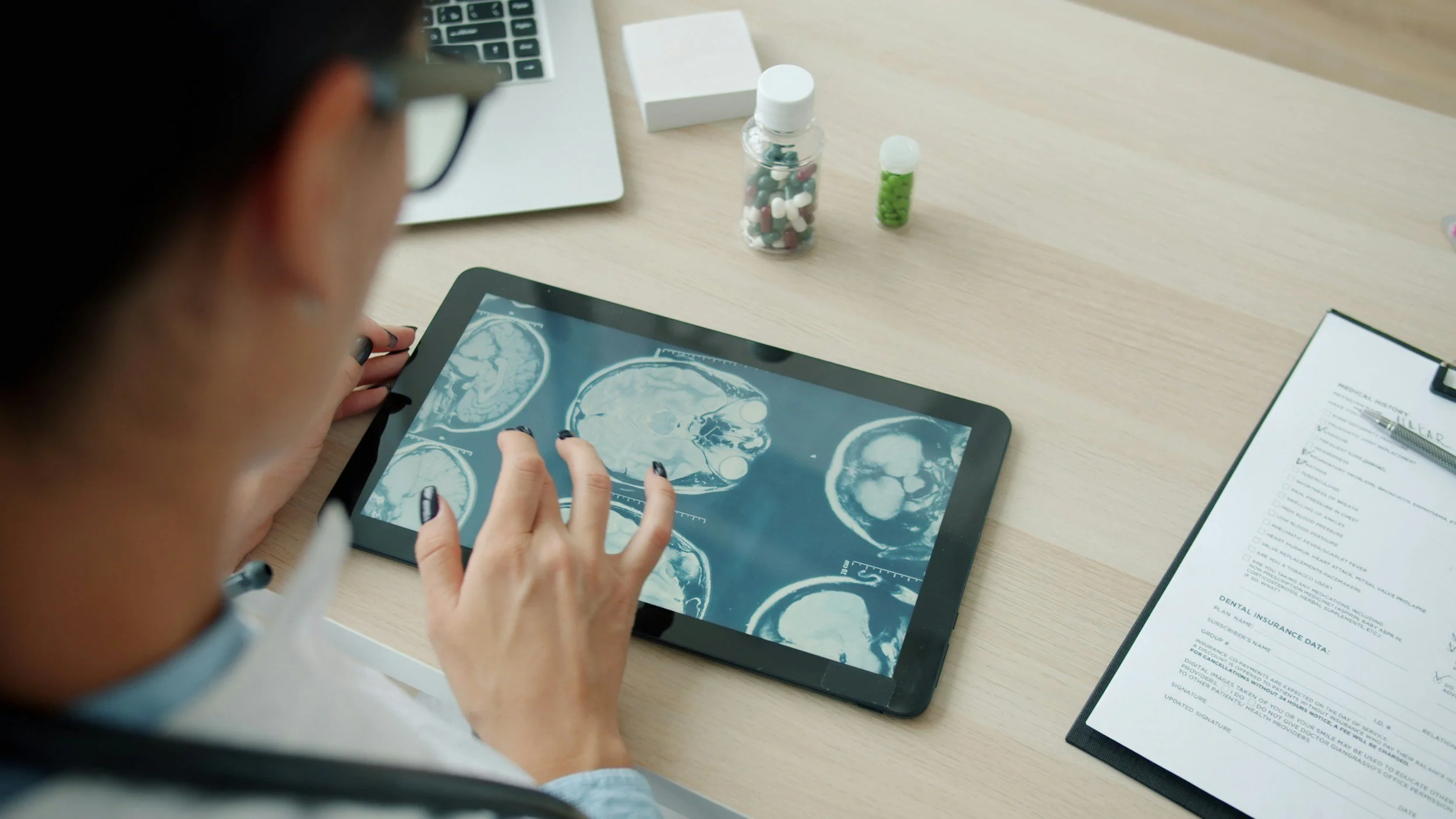
- The diagnosis: Your doctor should identify the cause of your pain. This shows up on your MRI scan. This matters because even if you have a herniated disc, it might not be the source of your pain. In that case, a microdiscectomy targeting the disc would not help. Your doctor should be able to identify the pain generator so you understand your diagnosis and can ensure it is correct. Improper diagnosis can lead to failed back surgery syndrome, so you want to be sure your diagnosis is correct.
- The prognosis: This is what you can expect both if you have surgery and if you don’t. This allows you to see the probable consequences of both scenarios. For example, if you are likely to end up in a wheelchair without surgery, you might be more inclined to have it. However, if the prognosis for the outcome of the surgery isn’t guaranteed, has seen limited positive results, or even has a high risk for paralysis then you might be willing to live with the pain or seek an alternative to surgery.
Knowing these two factors will help you understand your condition and make an informed decision.
Reasons for Spine Surgery
A doctor may consider spine surgery for several reasons, including:
- Cervical disc herniation: This condition occurs when the cushiony disc located between bones in your spine moves, is compressed or causes irritation. The pressure can cause problems in your neck and lead to pain or weakness in your shoulders, arms, and hands. If medication, physical therapy, and/or epidural steroid injections don’t work, surgery is recommended.
- Myelopathy: In this case, spinal cord injury due to severe compression can be caused by trauma, stenosis, degenerative disease, or disc herniation. When this happens symptoms can include numbness of the hands or legs, difficulty with fine motor skills, unsteadiness, or difficulty walking. In some cases, you might also experience loss of urinary or bowel control. Surgery is recommended to help relieve pressure on the spinal cord.
- Cervical and lumbar spinal stenosis: When the spinal canal in the lower back narrows, it squeezes the nerve roots causing lumbar spinal stenosis leading to back and leg pain, numbness and weakness. It can be difficult to stand and walk which can sometimes be alleviated by walking or using a walker. You can also try medication, physical therapy, and epidural steroid injections. If none of these treatments work, surgery is recommended.
- Degenerative disc disease (DDD): DDD is a natural breakdown of the discs or cushions of the spine related to daily stresses and minor injuries. Discs lose water so bone rubs on the disc causing pain. It can often be treated without surgery. However, if treatments fail or your normal activity and mobility are affected due to excessive pain or numbness, surgery is often recommended.
- Lumbar disc herniation: Like cervical disc herniation, this condition leads to nerve inflammation and pain. This is what causes sciatica. As with other conditions, surgery is often needed if other treatments don’t help or if you have severe weakness or other neurological symptoms.
What Are the Types of Surgery?
The most common types of spinal surgery include:
- Anterior cervical discectomy with fusion: This procedure treats nerve root or spinal cord compression by removing the disc(s) and part of the bone. Bone grafts and hardware stabilize the spine.
- Laminectomy: This procedure widens the spinal canal to treat spinal stenosis. The lamina of the vertebra is trimmed so the nerves have more room.
- Discectomy: During this procedure herniated disc material pressing on a nerve root or the spinal cord is removed. The remainder of the disc is left in place. This is a common option for patients whose back problems cause leg symptoms.
- Posterior lumbar interbody fusion: This procedure treats abnormal motion of the bones in the spine which causes pain, numbness and weakness. It involves the joining of two or more bones in the lower spine to stop abnormal motion.
Your doctor will discuss the best procedure for your needs.