
01What is a lumbar disc herniation?
The lumbar spine is the lower back. Between the bones of the spine are discs that help cushion movement. A disc can herniate when inner disc material pushes through or past the outer layer of the disc. If that material crowds the space around a nerve root, it can trigger pain, inflammation, numbness, tingling, or weakness.
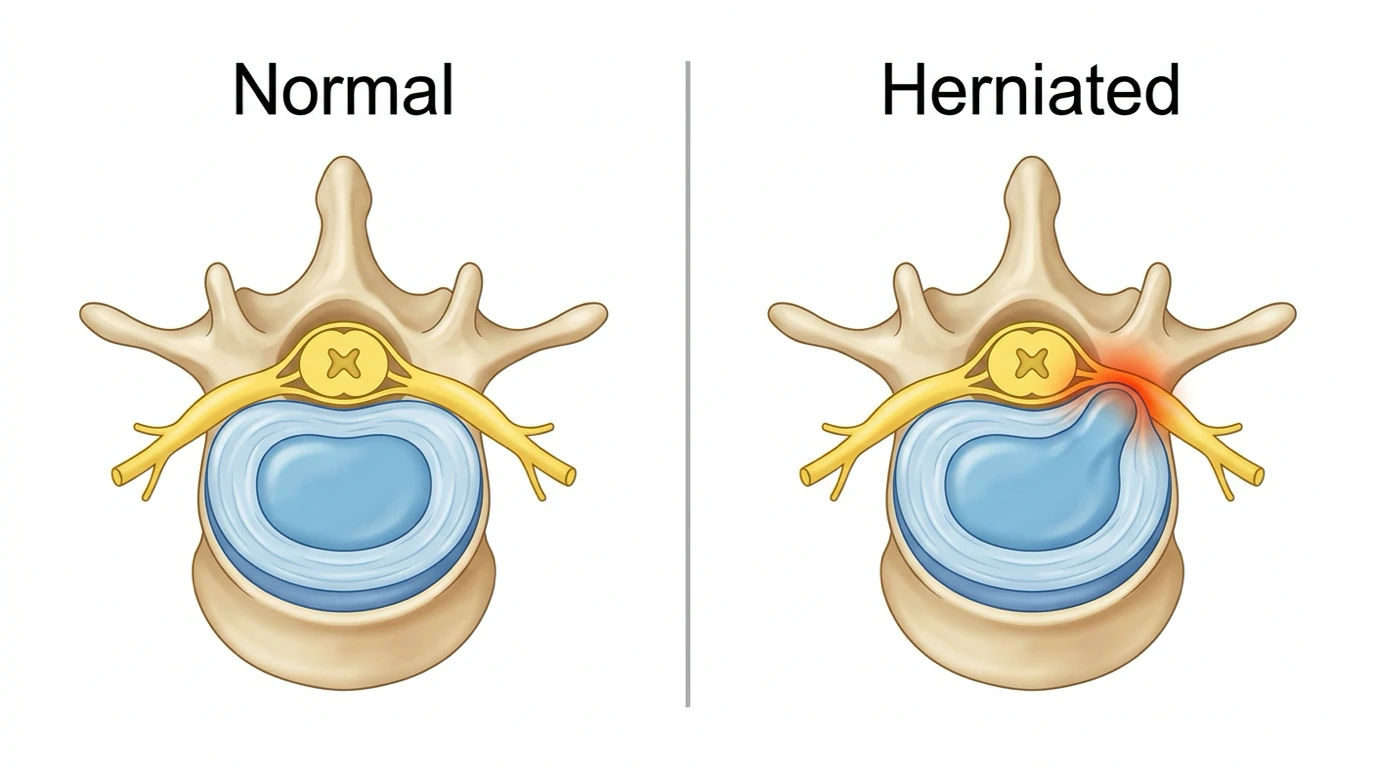
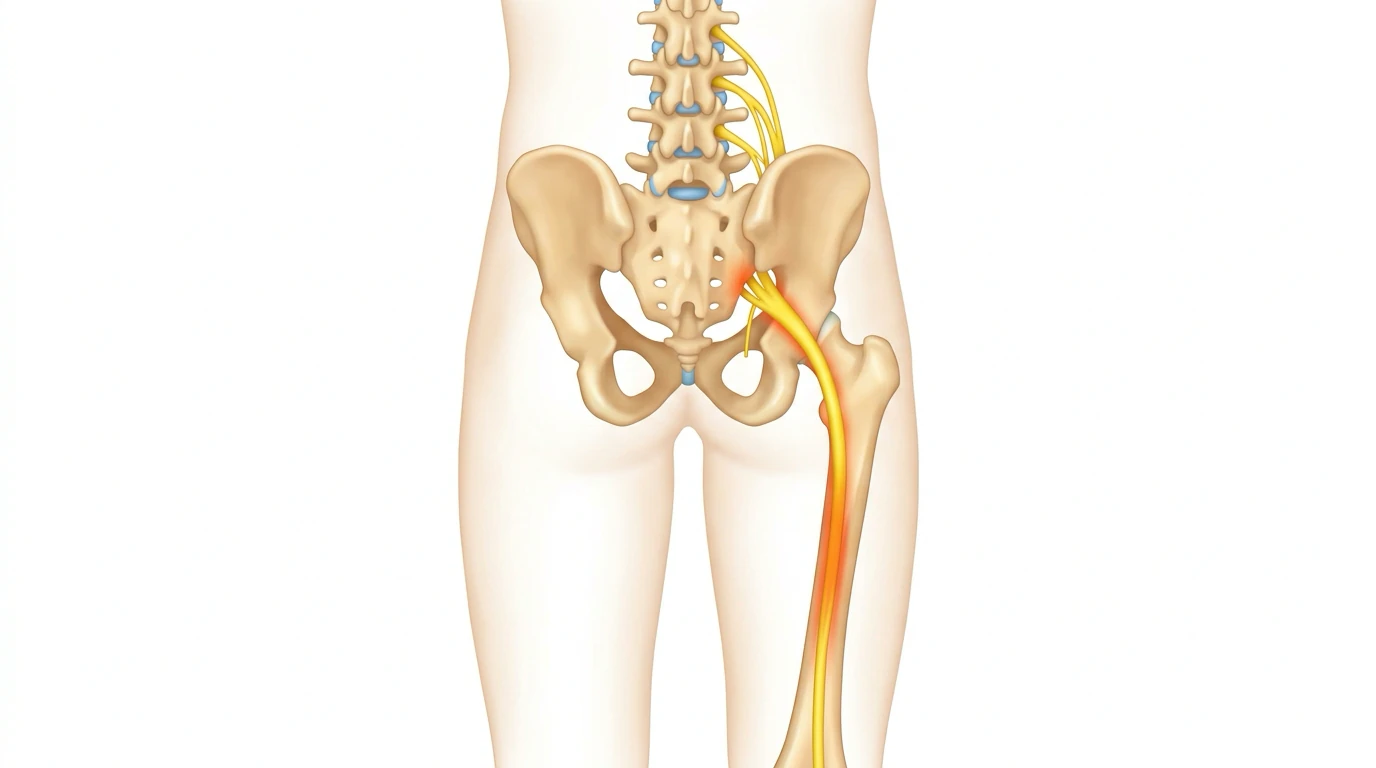
Lumbar disc herniation is often associated with sciatica because the irritated nerve can cause pain that travels from the lower back or buttock into the leg. Some patients have more leg pain than back pain. Others have back pain first, then leg symptoms later.
Not every disc herniation requires surgery. Many patients begin with conservative care when there are no urgent neurologic findings. Surgery becomes part of the discussion when symptoms are severe, persistent, progressive, or connected to nerve dysfunction that needs timely treatment.
02What are the symptoms?
Lumbar disc herniation symptoms can vary based on which nerve root is irritated. Common symptoms include lower back pain, buttock pain, pain down the back or side of the leg, numbness, tingling, burning pain, or weakness.
Some patients describe sharp pain that worsens with sitting, bending, coughing, or certain movements. Others notice trouble standing, walking, lifting the foot, or trusting the leg because of weakness. The symptom pattern matters because different nerve roots affect different areas of the leg and foot.
Pain alone does not always mean the disc is dangerous. The findings that usually raise more concern are progressive weakness, numbness in a high-risk area, or bowel and bladder changes.
- New loss of bowel or bladder control
- Numbness in the genital or rectal area
- Significant or worsening leg weakness
- Fever with severe back pain
- Symptoms after a fall, accident, or injury
- New severe pain if you have a history of cancer
These symptoms do not mean every patient has the same diagnosis, but they should not be watched casually. They can signal nerve compression, infection, fracture, or another condition that needs prompt evaluation.
03How do we diagnose a lumbar disc herniation?
Diagnosis usually starts with a history and neurologic exam. We look at where the pain travels, whether numbness or weakness is present, what positions aggravate symptoms, and whether the exam suggests a specific nerve root pattern. Strength testing, reflexes, sensation, walking, and leg raise maneuvers may all provide useful information.
MRI is commonly used when symptoms persist, neurologic findings are present, or surgery is being considered. MRI can show discs, nerves, and soft tissues more directly than X-rays. X-rays can be useful for bones and alignment, but they do not show a herniated disc the way MRI can.
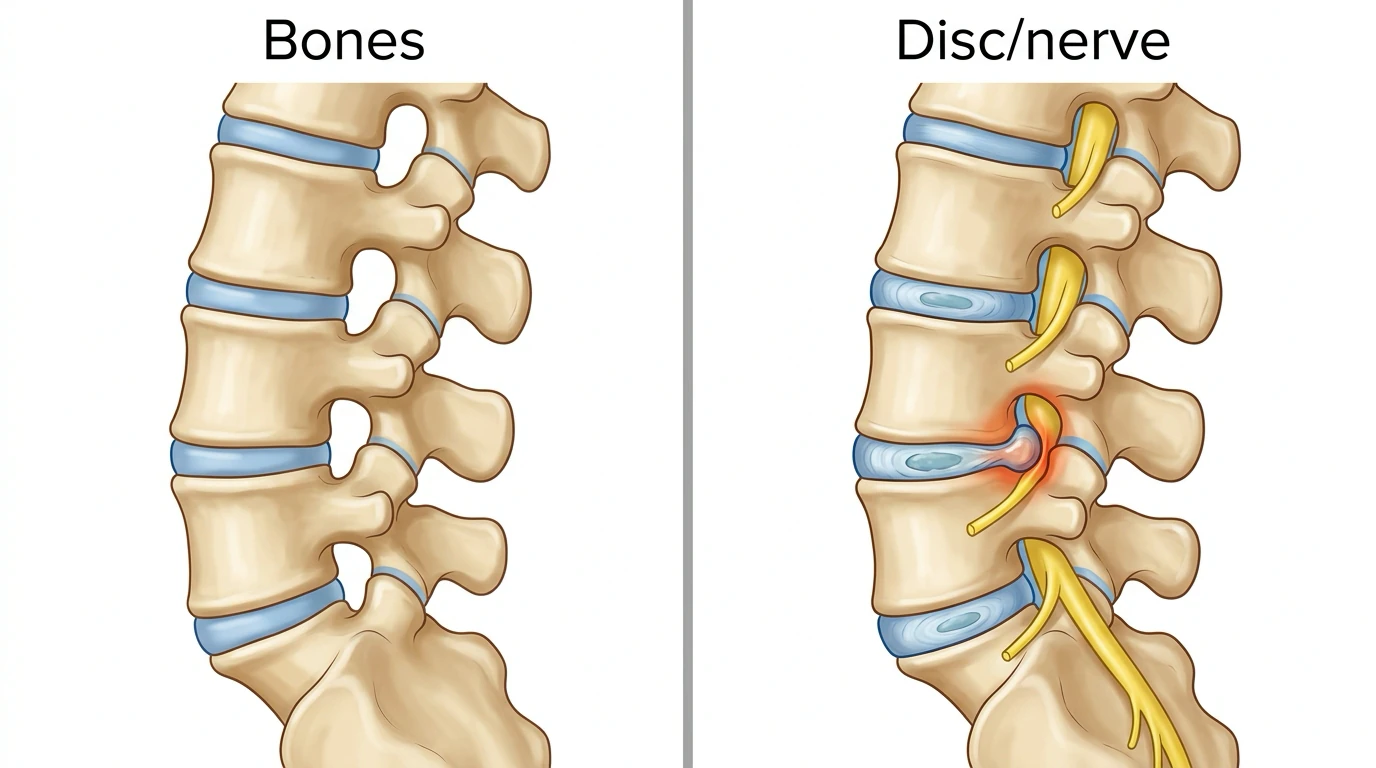
The imaging must fit the patient. Many people have age-related disc changes on imaging, so the treatment plan should be based on symptoms, exam findings, and imaging together. If pain travels down the leg but imaging does not match the symptom pattern, other causes may need to be considered, because hip problems, peripheral nerve problems, vascular problems, and spinal stenosis can cause symptoms that overlap with a disc herniation.
04What are the treatment options?
Treatment follows a deliberate progression from least invasive to most invasive. We start at the top and only move down the list if your symptoms warrant it.
Early care may include activity modification, medication when appropriate, and avoiding prolonged bed rest. The goal is to reduce irritation while keeping you moving safely.
Therapy can help improve mobility, strengthen supporting muscles, adjust movement patterns, and return you to activity with less nerve irritation. It works best when matched to the person instead of a generic exercise list.
The goal of an injection is to reduce inflammation around the irritated nerve. It does not remove the herniated disc or permanently change the disc structure.
In a discectomy, the surgeon removes the disc material that is pressing on or irritating the nerve.
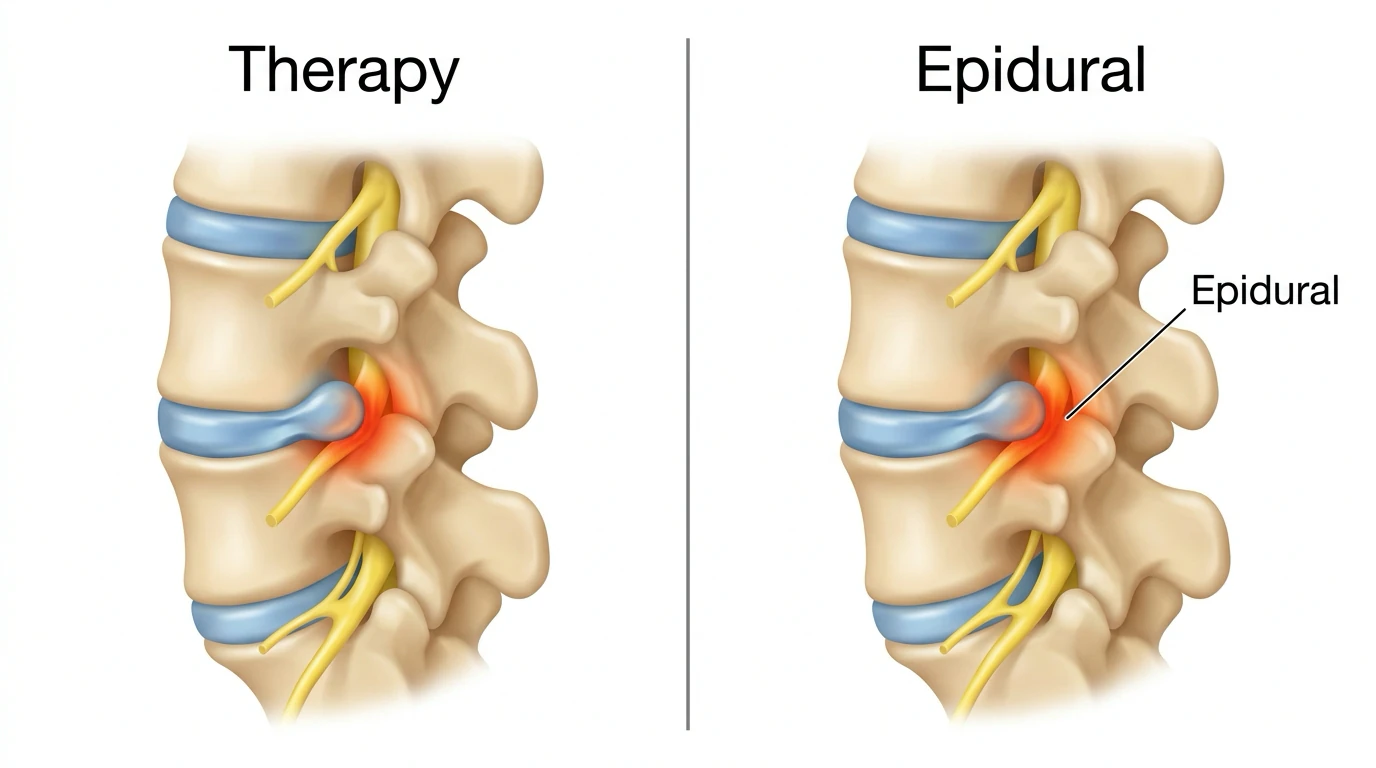
The decision is often based on trend. Improving pain with stable strength may support continued conservative care. Persistent disabling leg pain may lead to injection or surgical discussion. Worsening weakness or red flag symptoms can change the urgency.
05When is surgery considered?
Surgery is not the default treatment for lumbar disc herniation. It becomes more relevant when a patient has disabling leg pain that matches imaging, progressive weakness, or symptoms that are not improving enough with conservative care.
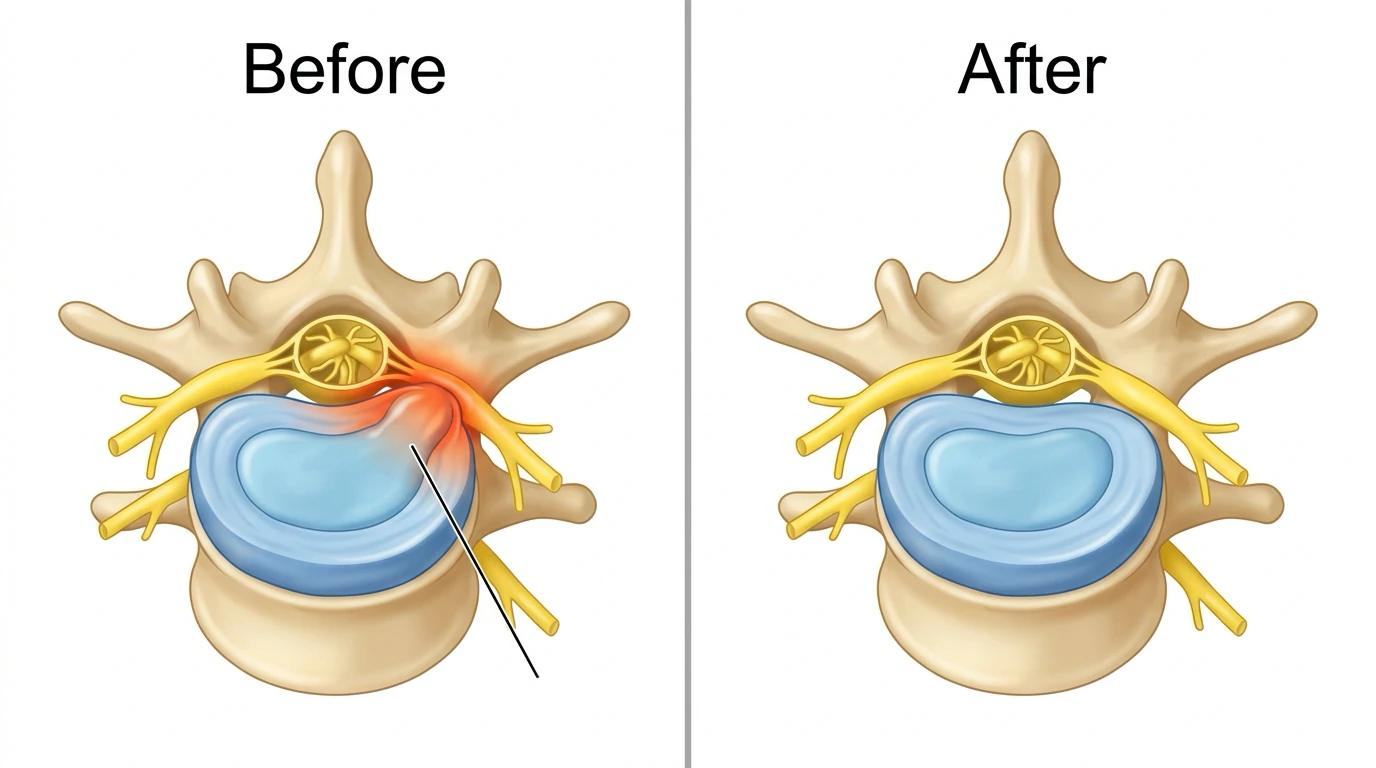
The decision is individualized. We consider symptom severity, how long symptoms have been present, neurologic findings, imaging, prior treatment, overall health, and your goals. The safest plan is the one that fits both the anatomy and the clinical picture.
06When should you see a specialist?
BSNI can review your symptoms, exam findings, and imaging to help you understand whether a lumbar disc herniation is likely causing your pain, and explain conservative options, whether an injection makes sense, and when discectomy may be appropriate. The goal is not to rush anyone to surgery. The goal is to identify the source of symptoms, protect nerve function, and choose a treatment path that matches your condition.
Before a visit, it helps to write down where pain travels, whether numbness or weakness is present, what positions make symptoms worse, and what treatments have already been tried. Bringing MRI images and reports helps the team compare the disc finding with the symptom pattern.
Useful questions to ask: which nerve appears irritated, does the MRI finding match my symptoms, is the nerve stable, what would make this urgent, and how will progress be measured? These questions keep the treatment plan tied to the actual nerve problem.