
What is it? Discectomy explained.
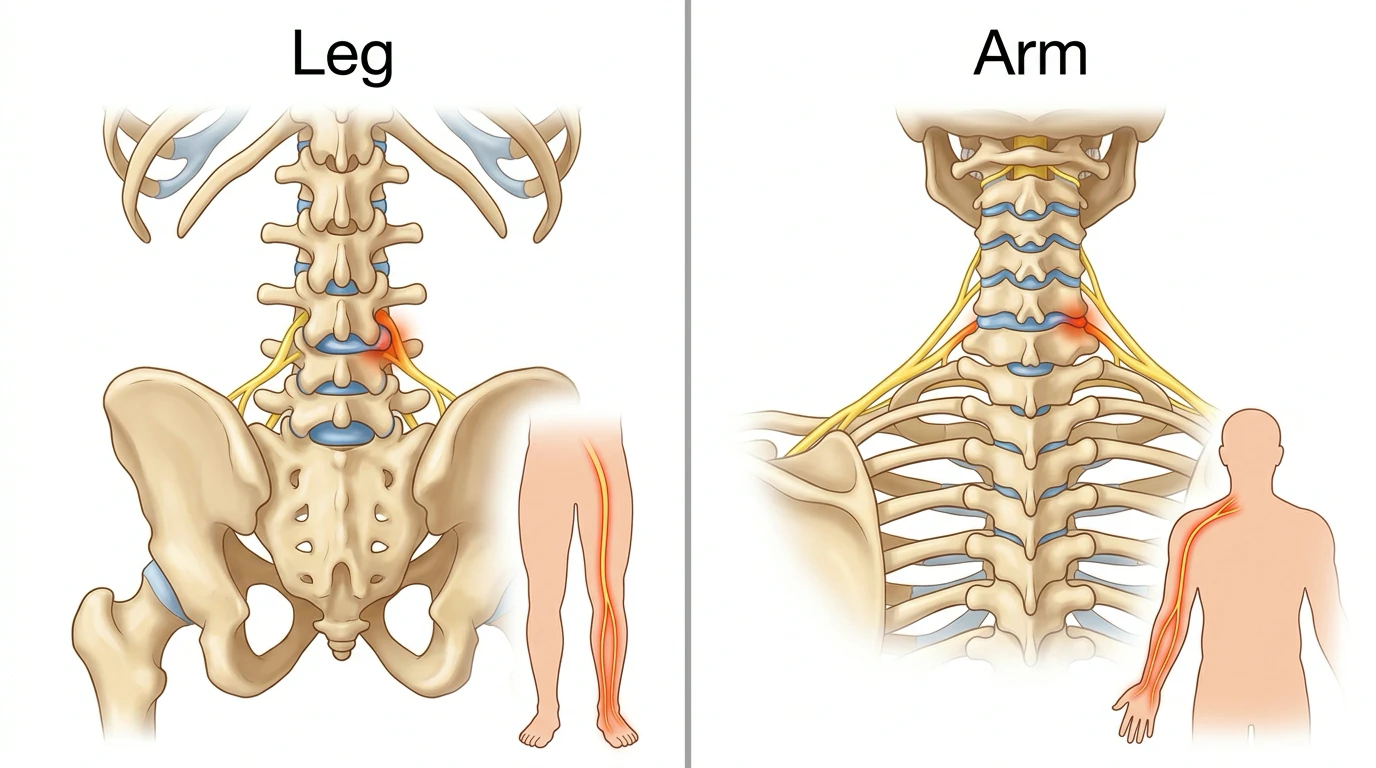
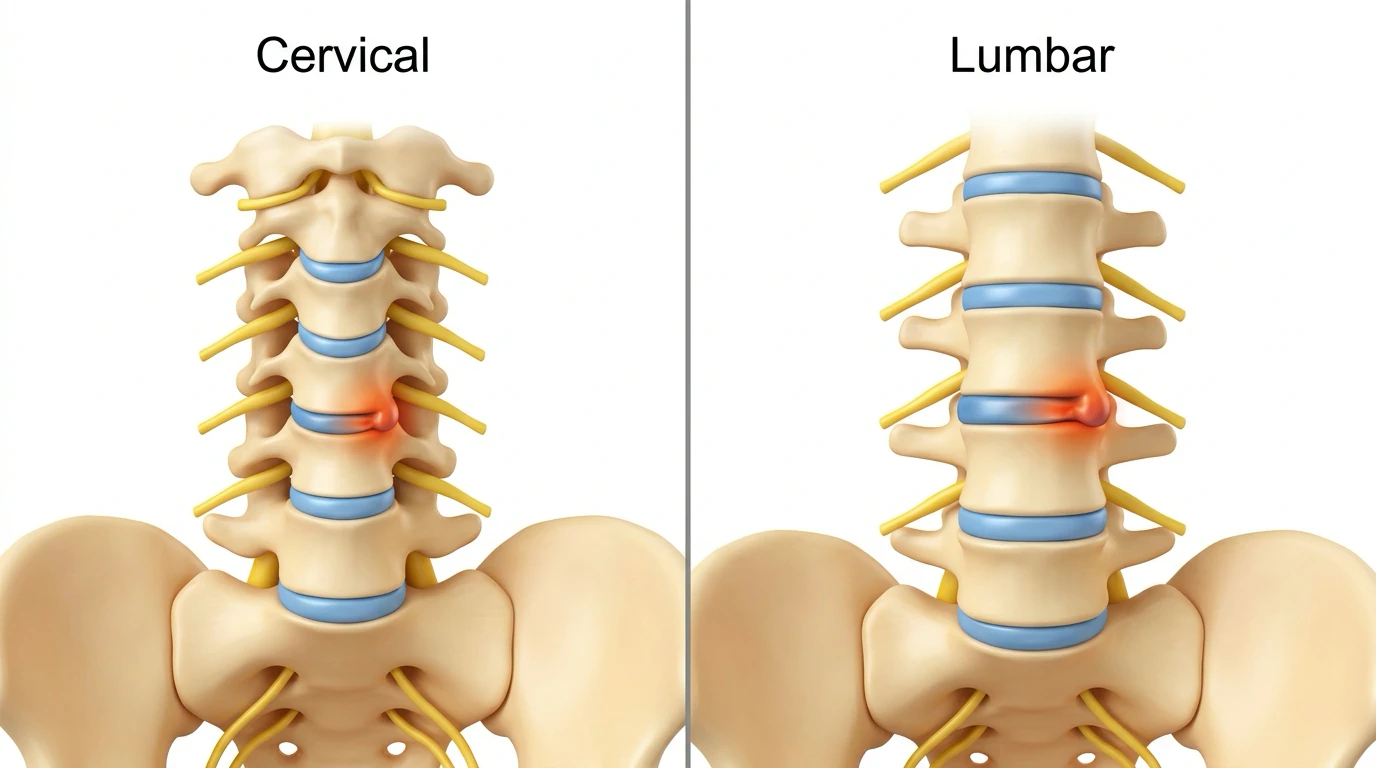
A discectomy removes the portion of a herniated disc that is compressing or irritating a nerve. In the lumbar spine, it is discussed for leg pain and sciatica. In the cervical spine, it is discussed for selected neck and arm symptoms, depending on anatomy and diagnosis.
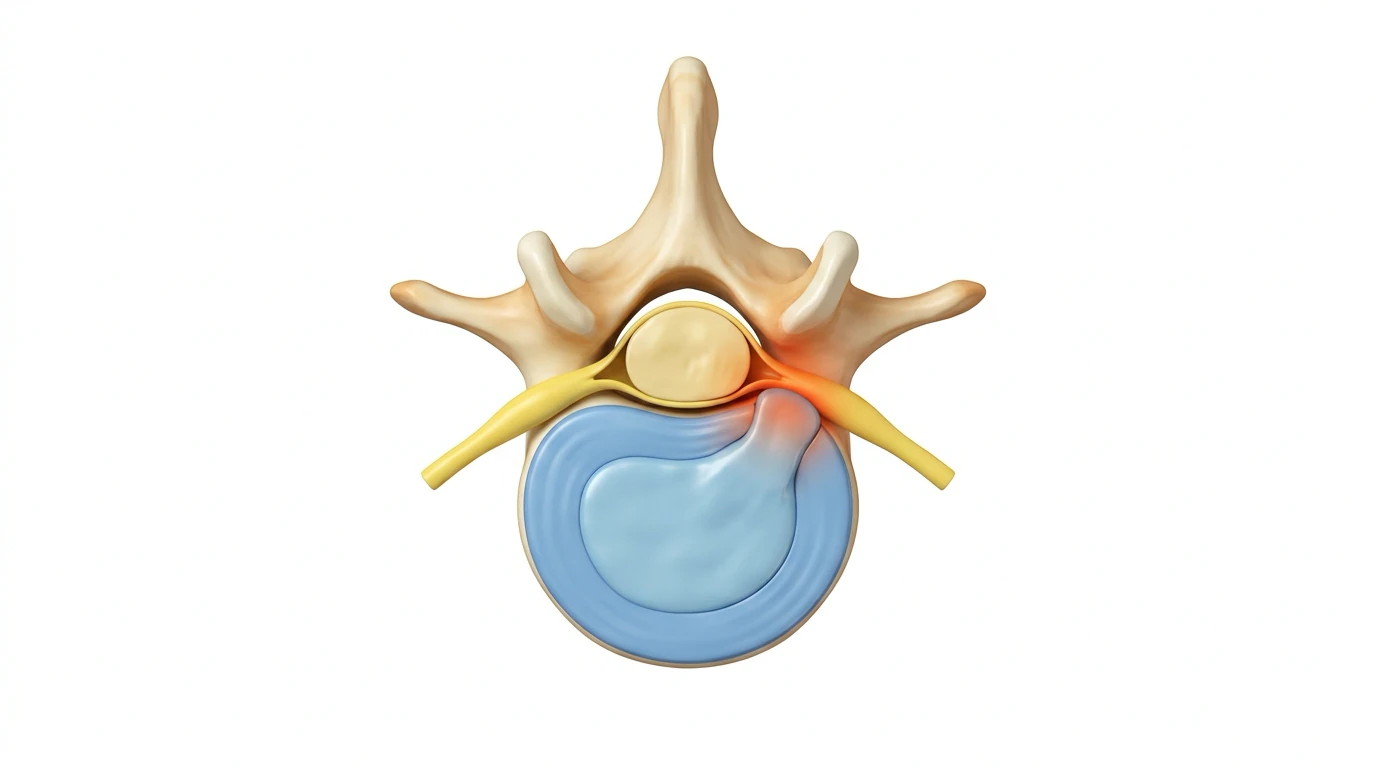
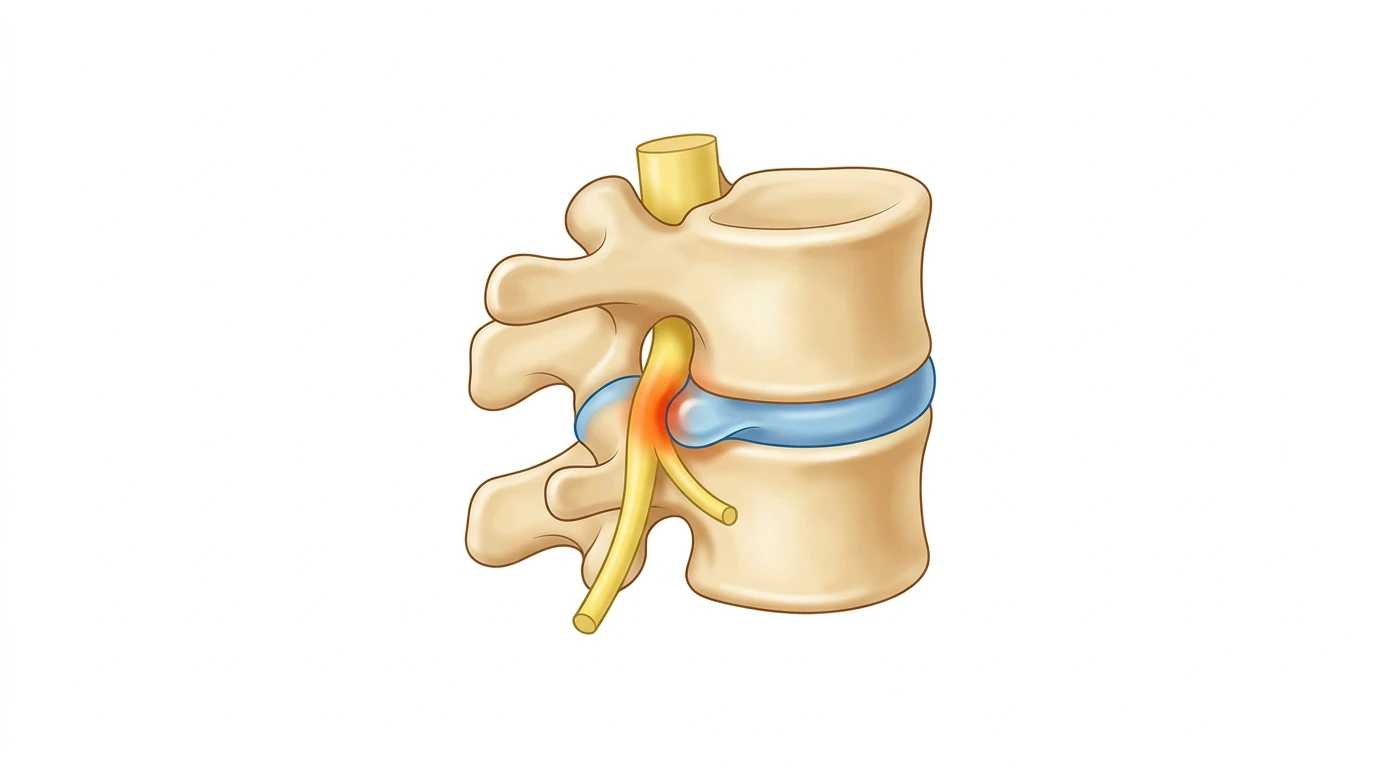
The goal is decompression. A discectomy does not treat every kind of back or neck pain. It is most relevant when symptoms, the neurologic exam, and imaging all point to a herniated disc as the source of nerve irritation. The operation targets a specific piece of disc material; if symptoms come from arthritis, stenosis, instability, or muscle strain, removing disc material may not solve the main problem.
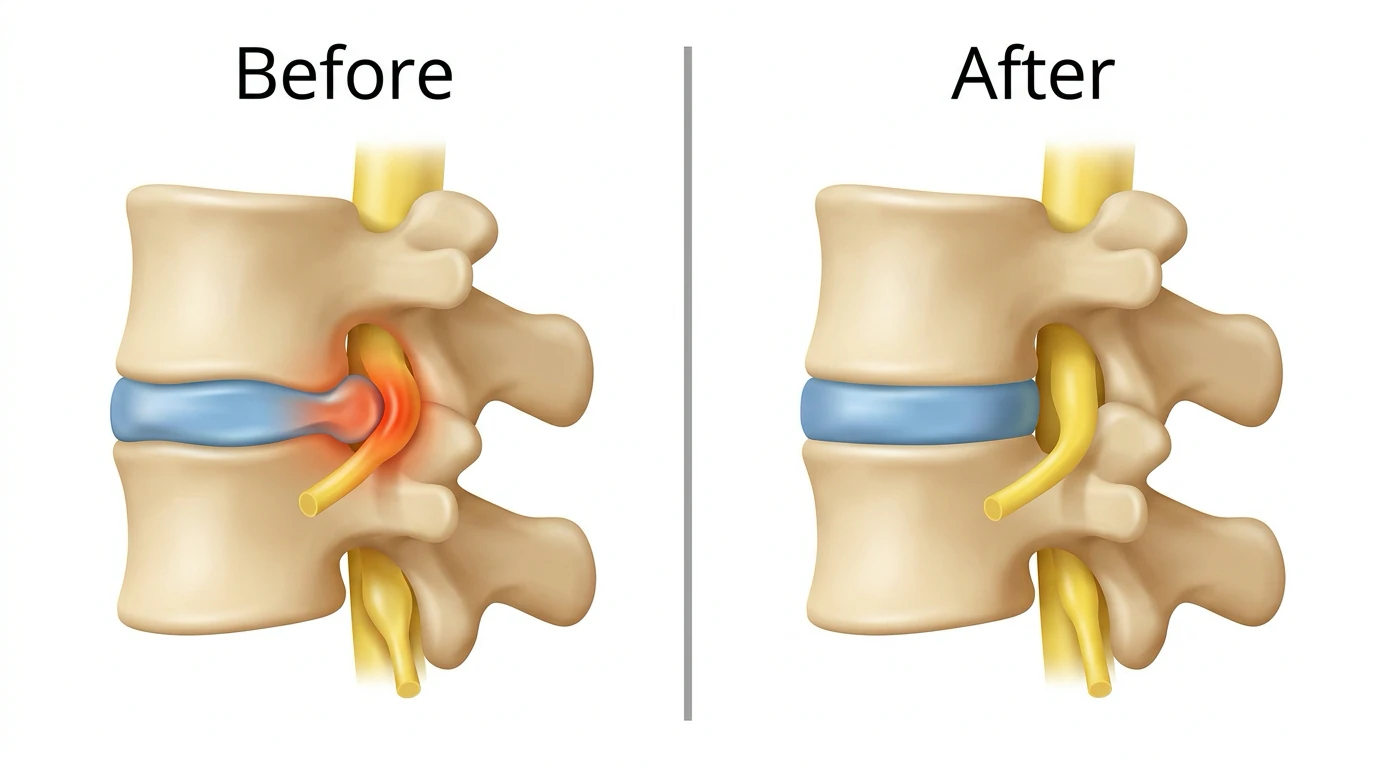
What does it treat? Nerve compression from herniated disc material.
Discectomy may be used for selected cases of lumbar disc herniation, cervical disc herniation, radiculopathy, or nerve compression caused by herniated disc material. Patients typically have arm or leg pain, numbness, tingling, or weakness that follows a nerve pattern.
The procedure is not usually chosen for pain that does not match imaging, pain from another source, or symptoms that are already improving with nonsurgical care.
Who is a candidate? The right patient for discectomy.
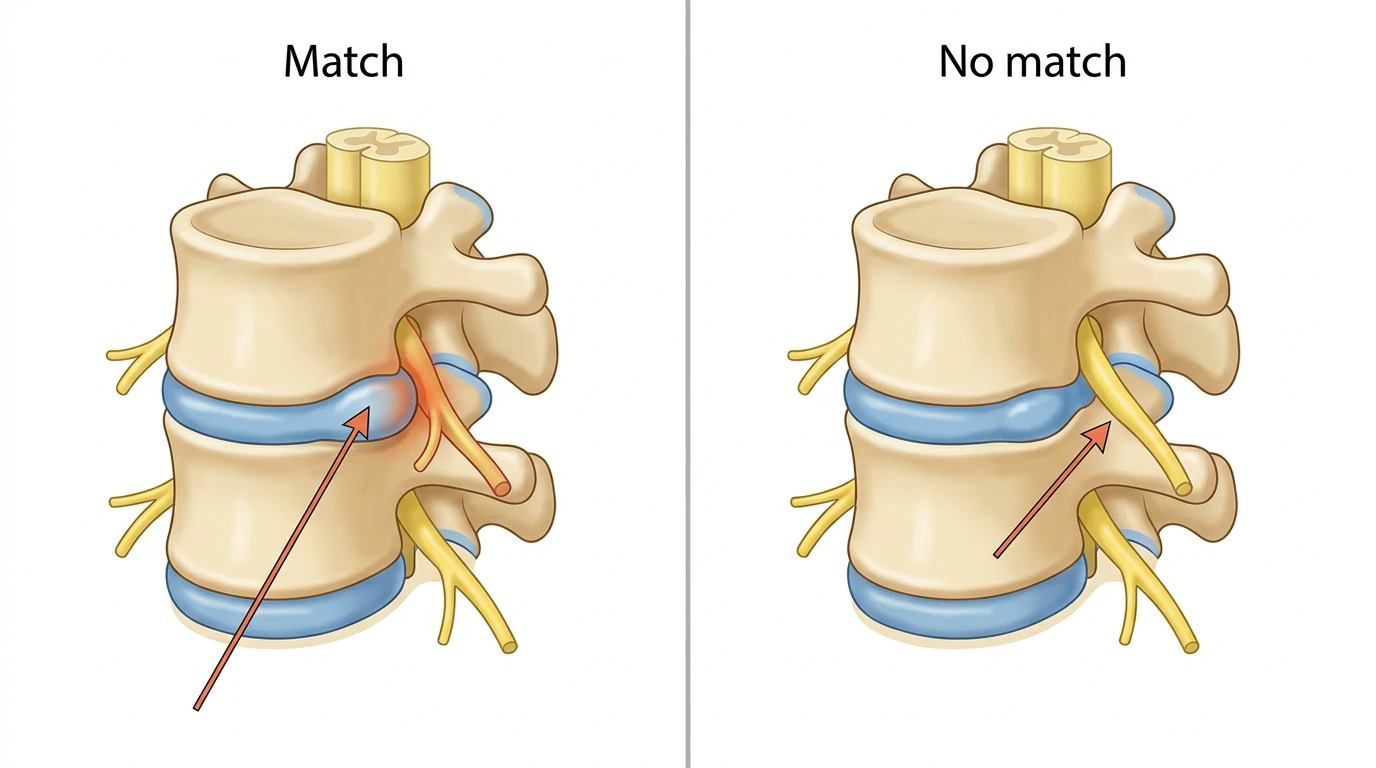
The strongest cases for discectomy involve a clear match between the patient's nerve symptoms and a disc herniation on imaging. If the main complaint is generalized back pain without a matching nerve target, discectomy may not address the problem.
Good candidates
- Arm or leg pain, numbness, tingling, or weakness that matches a herniated disc on imaging
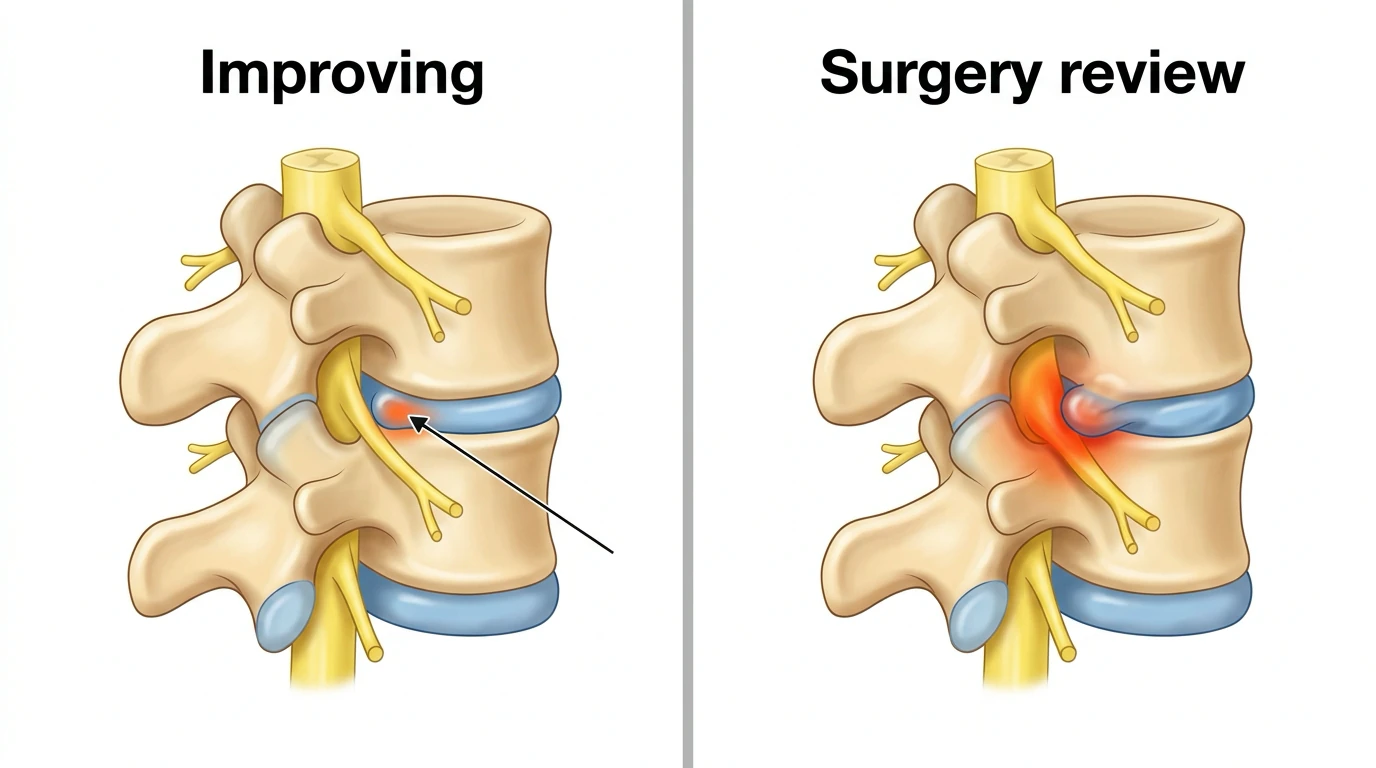
- Symptoms that have not improved enough with appropriate nonsurgical care
- A neurologic exam consistent with the compressed nerve
Poor candidates
- Symptoms that do not match the imaging
- Another diagnosis that is more likely to explain the pain
- Symptoms improving with conservative care
- Medical risk that outweighs the expected benefit
Useful questions to bring to the consultation: which nerve is compressed, whether weakness is present, what conservative options remain reasonable, and what symptoms would make surgery more urgent. Findings like stenosis, instability, or multi-level narrowing may shift the discussion toward laminectomy, fusion, or another plan rather than simple disc removal.
How does it work? The procedure follows a precise sequence.
Confirm the level and approach
The surgical team confirms the affected disc level and the planned approach, which depends on whether the herniation is cervical or lumbar and on the patient's anatomy.
Access the disc
The surgeon creates access to the affected disc. Depending on the technique and equipment used, the procedure may be described as minimally invasive or as a microdiscectomy.
Remove the compressive material
The herniated disc material pressing on the nerve is removed. Ask whether any additional decompression is expected at the same time.
Close and begin recovery
The incision is closed and the patient receives individualized instructions for activity, wound care, and follow-up.
What is recovery like? Recovery and what to expect.
Recovery varies by spinal level, surgical approach, how long and how severely the nerve was irritated before surgery, and overall health. Some patients recover mainly from incision and muscle irritation. Others need time for nerve symptoms to settle.
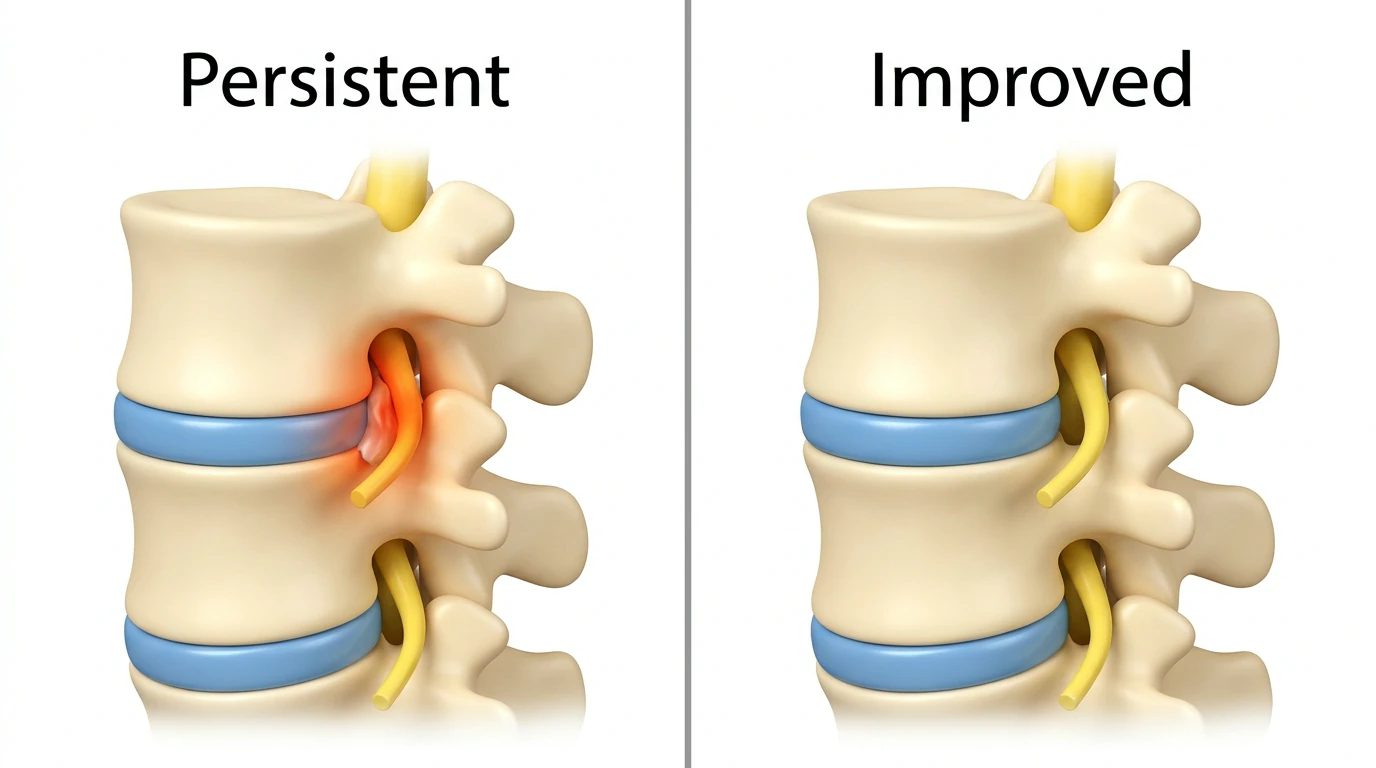
Nerve recovery can behave differently from pain relief. Leg or arm pain may change before numbness or weakness fully declares its course, and symptoms that were present for a long time before surgery need more careful expectation setting. Exact timelines for activity, driving, work, and therapy are individualized; follow the instructions from the surgical team rather than general information online.
New weakness, bowel or bladder changes, fever, wound concerns, or severe new pain should be reported according to your postoperative instructions.
For general background on getting back to walking, see walking after spinal surgery and our physical therapy guide after lumbar laminectomy or discectomy.
What are the risks? Risks worth discussing.
Every risk below is discussed before surgery. Individual risk depends on patient factors, anatomy, and the planned approach.
Infection and bleeding
Risks common to spine surgery, discussed in light of your health history.
Nerve injury
The surgery is done near the compressed nerve; injury is uncommon but discussed in every case.
Spinal fluid leak
A recognized risk of procedures near the covering of the spinal nerves.
Persistent or recurrent symptoms
Symptoms can persist, and disc material can herniate again at the same level.
Anesthesia risks
Reviewed with the anesthesia team based on your medical history.
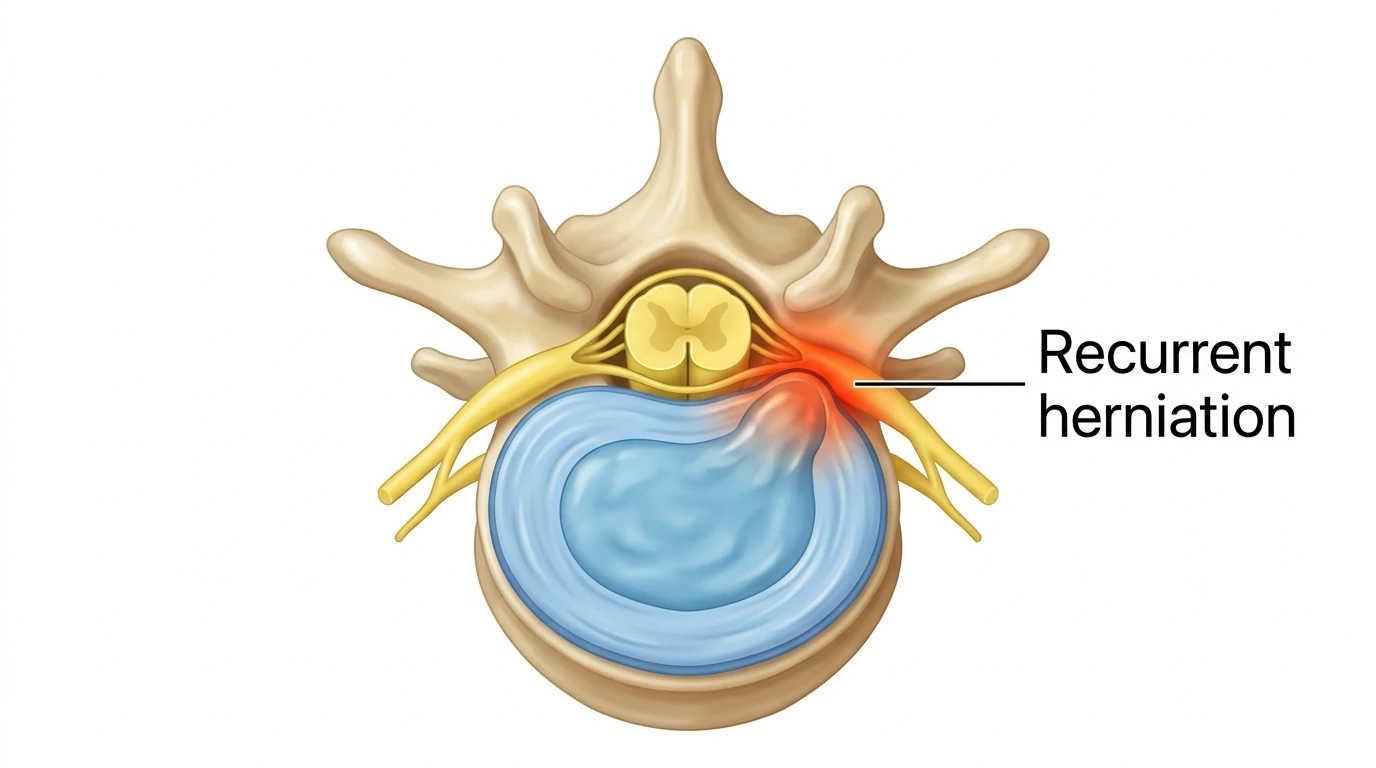
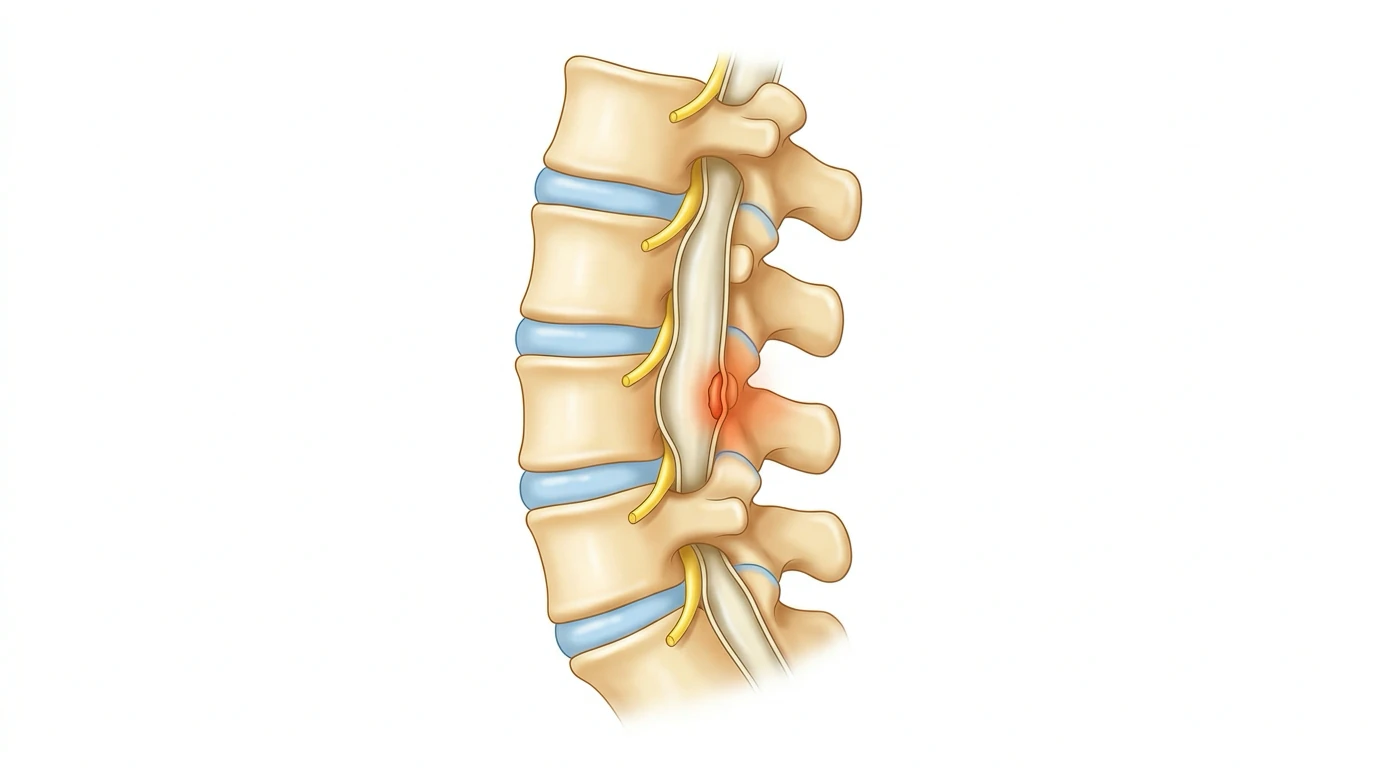
The risk discussion should also cover which symptom the surgery is meant to improve, which symptoms may take longer, and which symptoms may not be related to the disc at all.
What are the alternatives? Surgery is not the starting point.
Many patients begin with activity modification, medication when safe, physical therapy, and time when neurologic findings are stable. An epidural steroid injection may be discussed for selected nerve-related pain. Laminectomy or fusion may be considered when the anatomy involves stenosis, instability, or other structural issues.
Discectomy is not the same as fusion. Discectomy removes herniated disc material; fusion joins vertebrae together and is used for different structural reasons.
