
What is it? Laminectomy explained.
The lamina is part of the bony arch at the back of a vertebra. A laminectomy removes part or all of this structure to create more room in the spinal canal.
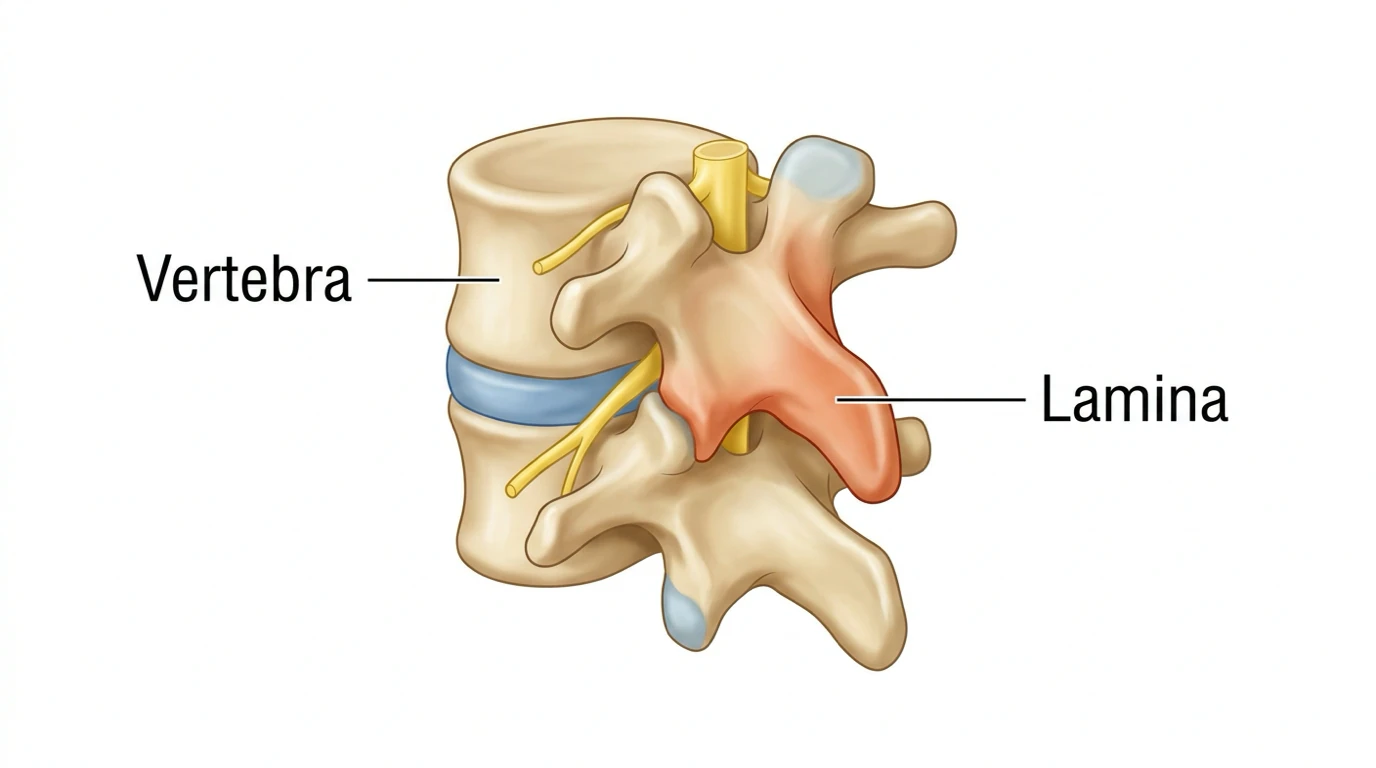
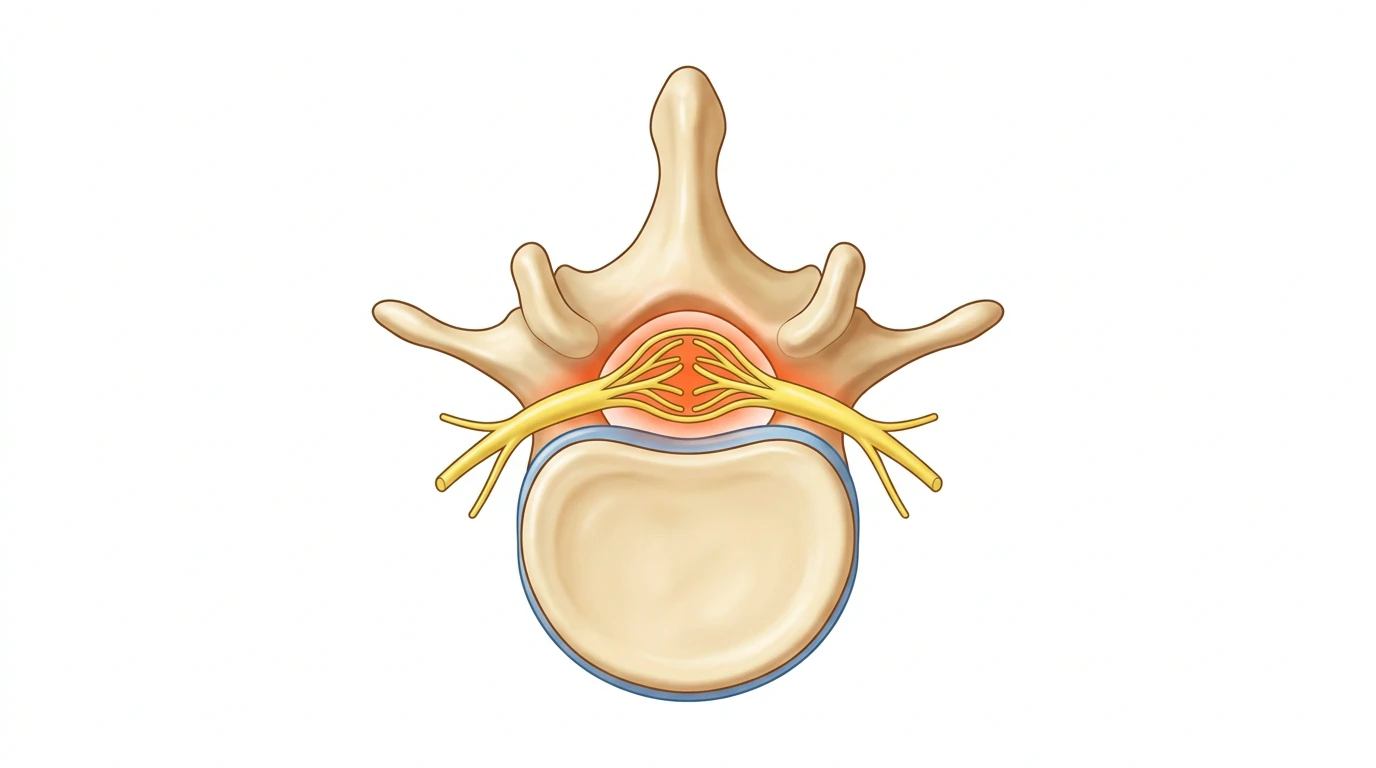
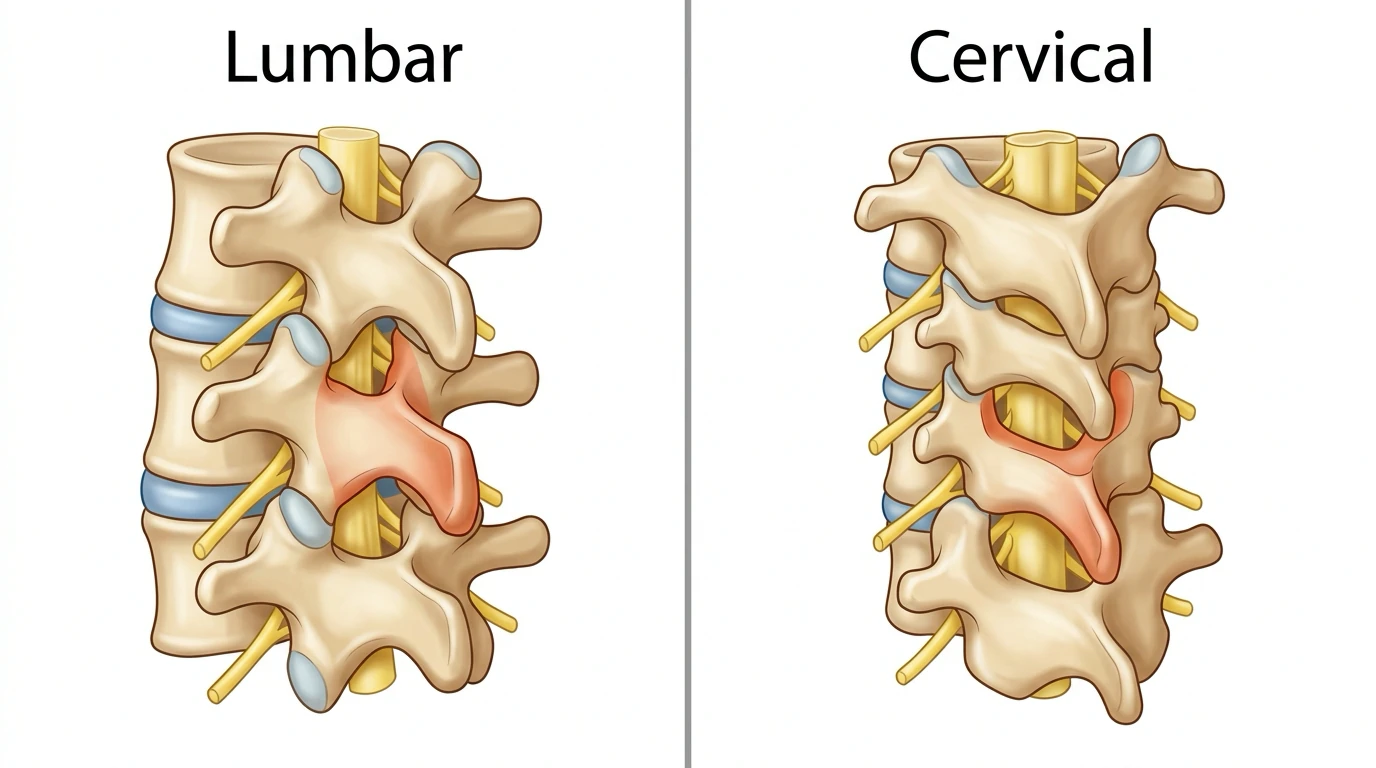
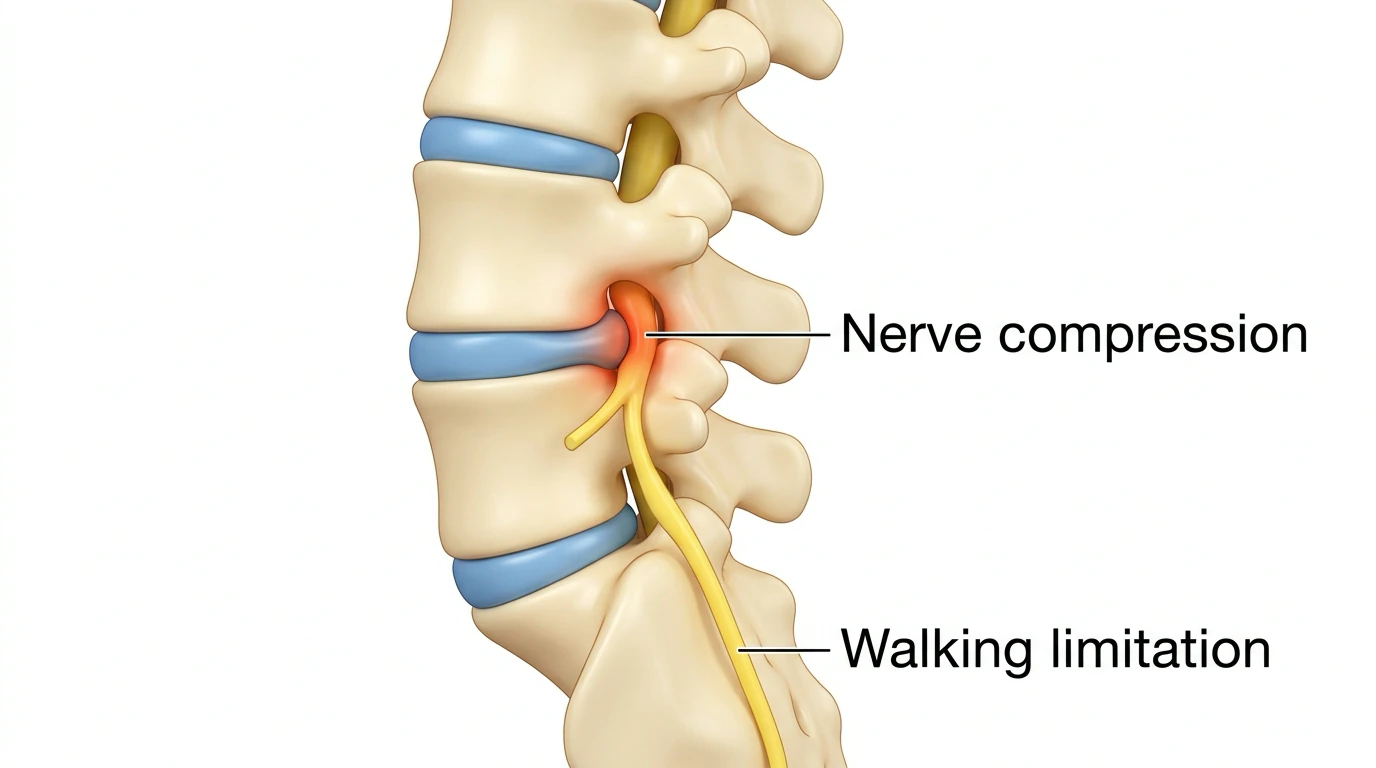
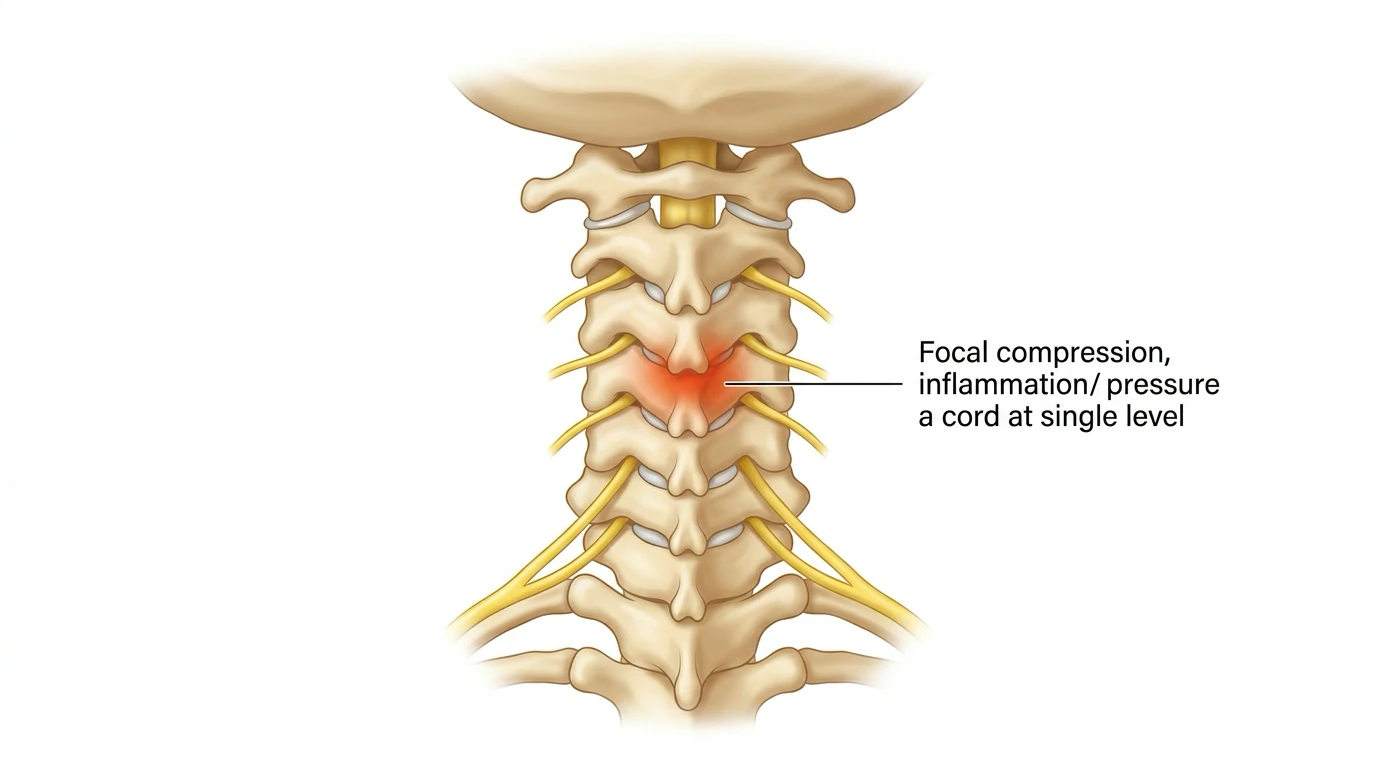
The goal is decompression. In the lumbar spine, that may mean relieving pressure on nerve roots that contribute to leg pain, numbness, weakness, or walking limitation. In the cervical spine, decompression may be discussed when narrowing affects the spinal cord or nerve roots.
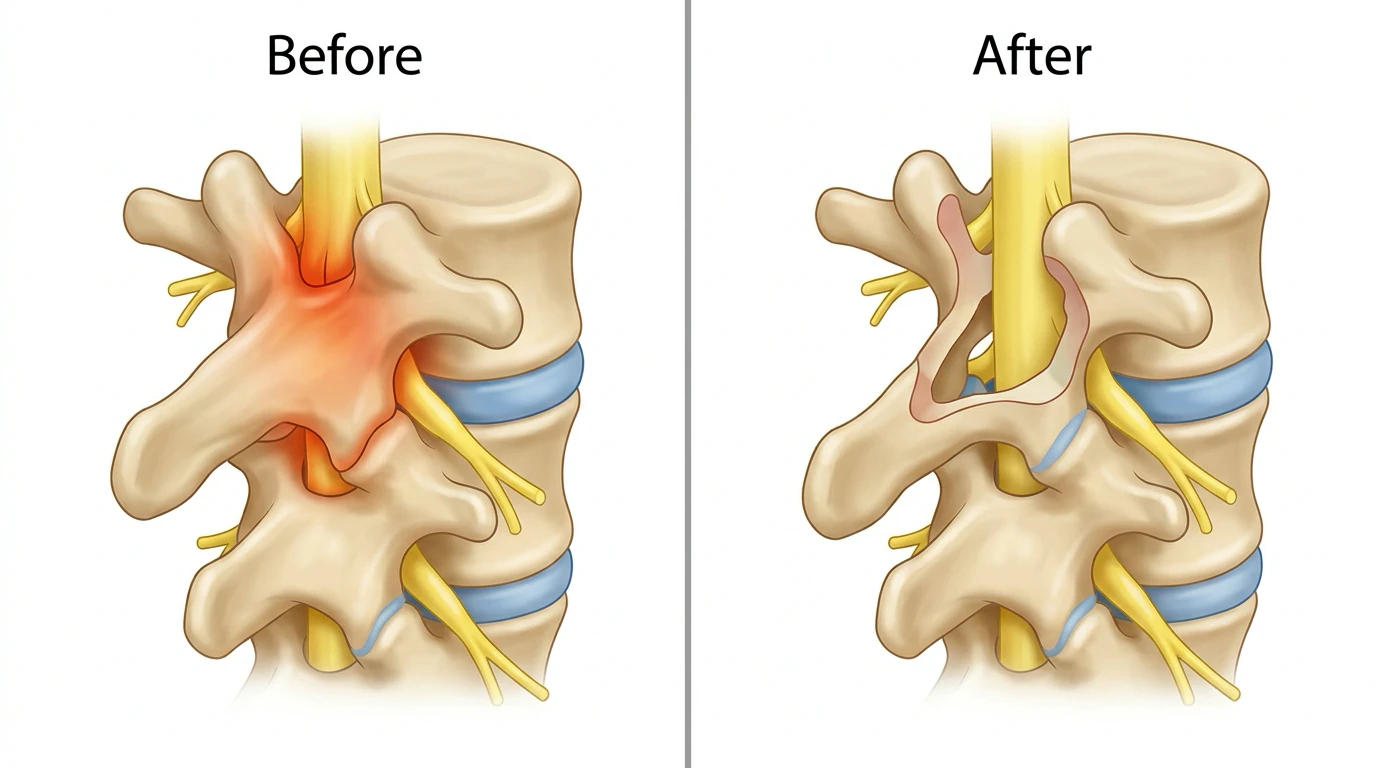
What does it treat? Stenosis and nerve or spinal cord compression.
Laminectomy may be considered for lumbar spinal stenosis, cervical spinal stenosis, myelopathy, or other causes of nerve or spinal cord compression. It may be performed alone or combined with other procedures in selected cases.
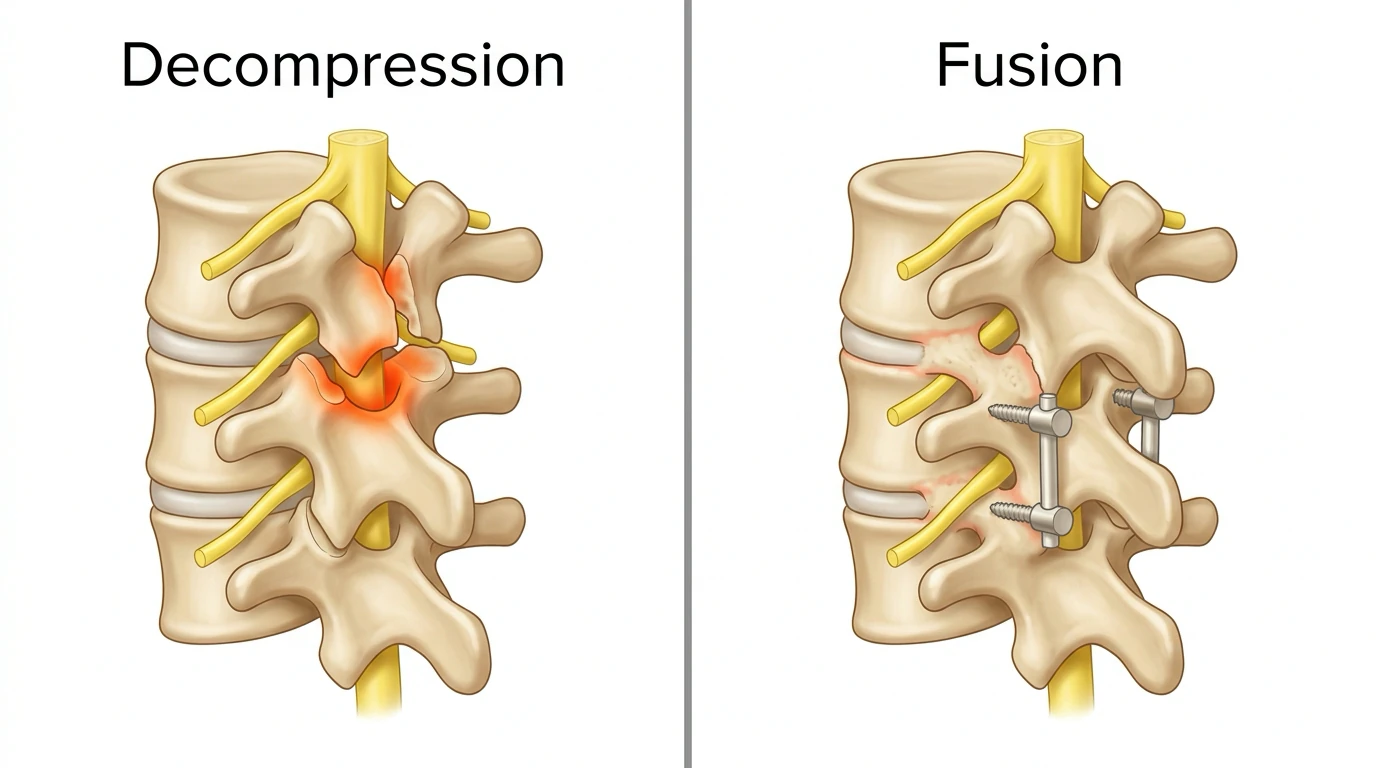
Fusion may be added when spinal stability is a concern. Whether fusion is needed depends on anatomy, alignment, instability, and the surgical plan. If fusion is recommended, ask why decompression alone is not enough.
Who is a candidate? The right patient for laminectomy.
The candidacy discussion should identify whether the primary issue is nerve root compression, spinal cord compression, walking limitation, weakness, or pain from another source. Laminectomy is most useful when creating more room addresses the structure actually causing symptoms.
Good candidates
- Lumbar stenosis with walking limitation
- Cervical stenosis with spinal cord symptoms
- Nerve compression that matches both the exam and the imaging
Poor candidates
- Pain that does not match the imaging
- Symptoms that come from another diagnosis
- Instability or alignment concerns that call for a different surgical plan
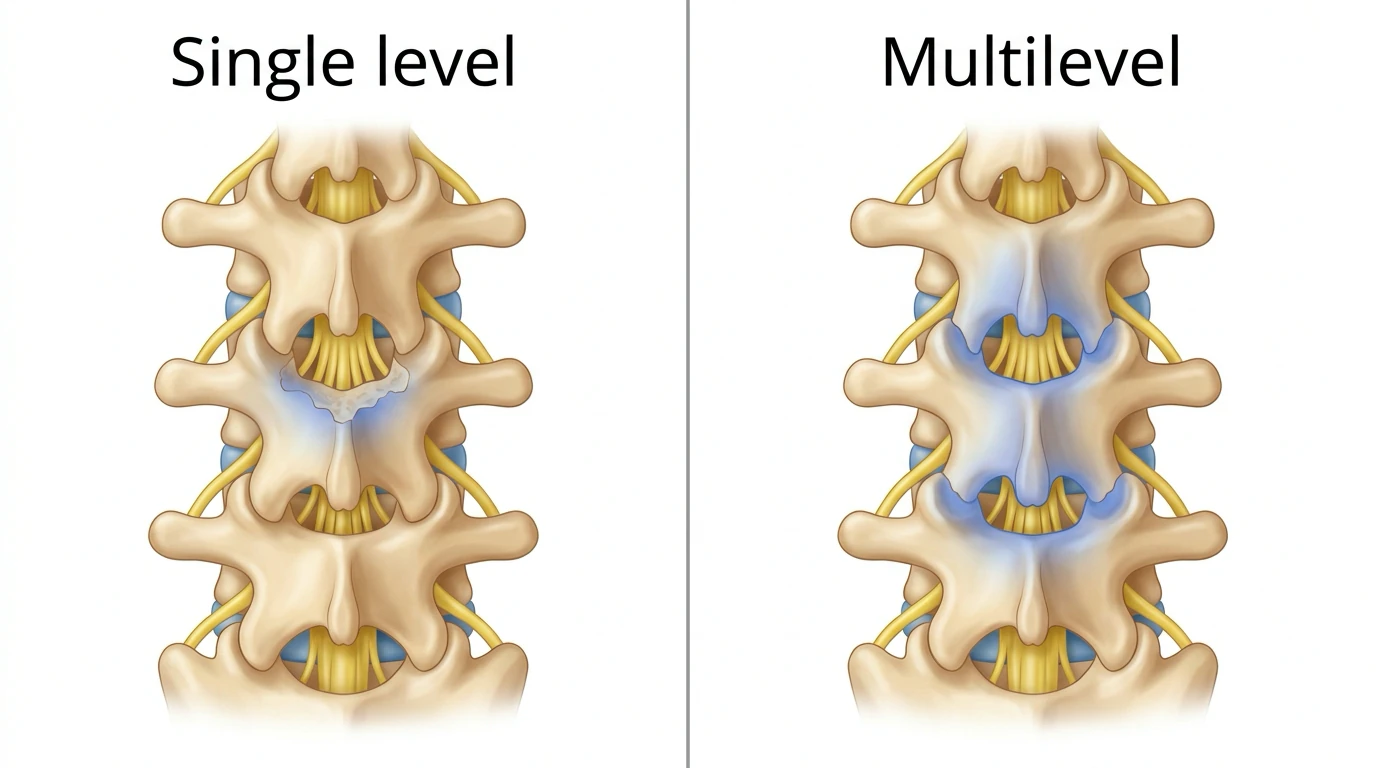
Useful questions to bring to the consultation: which level is being decompressed, whether the goal is nerve root or spinal cord decompression, whether fusion is part of the plan, and which symptoms are expected to improve. When imaging shows narrowing at more than one level, ask whether the planned surgery treats all symptomatic levels or only the level most responsible for symptoms.
How does it work? The procedure follows a precise sequence.
Confirm the level and plan
The surgical team confirms the level and the planned decompression, including whether the surgery is cervical or lumbar and how many levels are involved.
Reach the back of the spine
The surgeon reaches the back of the spine at the affected level.
Remove the lamina and compressive tissue
Part or all of the lamina is removed, along with other compressive tissue when needed, creating more room for the nerves or the spinal cord.
Close and begin recovery
The incision is closed. If fusion is part of the plan, it is done during the same operation and changes the recovery discussion.
What is recovery like? Recovery and what to expect.
Recovery varies by spinal region, number of levels, whether fusion is added, preoperative nerve symptoms, and overall health. Nerve-related symptoms may improve at different speeds. Walking tolerance, strength, and pain may also change gradually.
Recovery after decompression is not identical for cervical and lumbar procedures. Cervical myelopathy recovery may need neurologic follow-up focused on balance, walking, and hand coordination. Lumbar stenosis recovery may focus more on leg symptoms, walking tolerance, and strength. Exact timelines for wound care, activity, lifting, driving, work, and therapy come from the surgical team, not general information online.
Part of the preoperative conversation is how success will be judged. For some patients, the goal is walking farther with less leg heaviness. For others, it is preventing neurologic decline from spinal cord compression. The goal should match the diagnosis.
For general background on getting back to walking, see walking after spinal surgery and our physical therapy guide after lumbar laminectomy or discectomy.
What are the risks? Risks worth discussing.
Every risk below is discussed before surgery. If fusion is added, fusion-related risks are discussed as well.
Infection and bleeding
Risks common to spine surgery, discussed in light of your health history.
Spinal fluid leak
A recognized risk of procedures near the covering of the spinal nerves.
Nerve or spinal cord injury
The surgery is done directly over the compressed nerves or spinal cord; injury is discussed in every case.
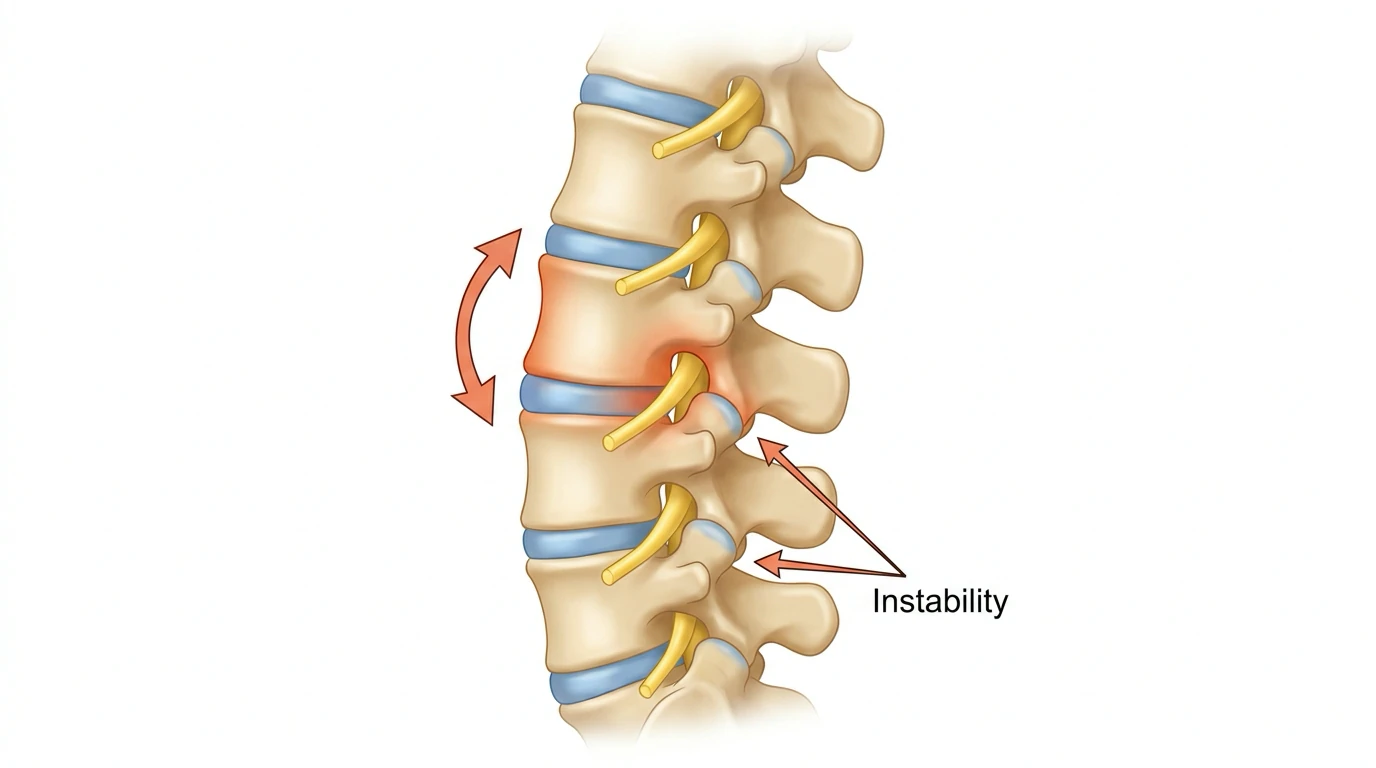
Instability
Removing bone creates space but can affect stability in some patients, which is why fusion is sometimes part of the plan.
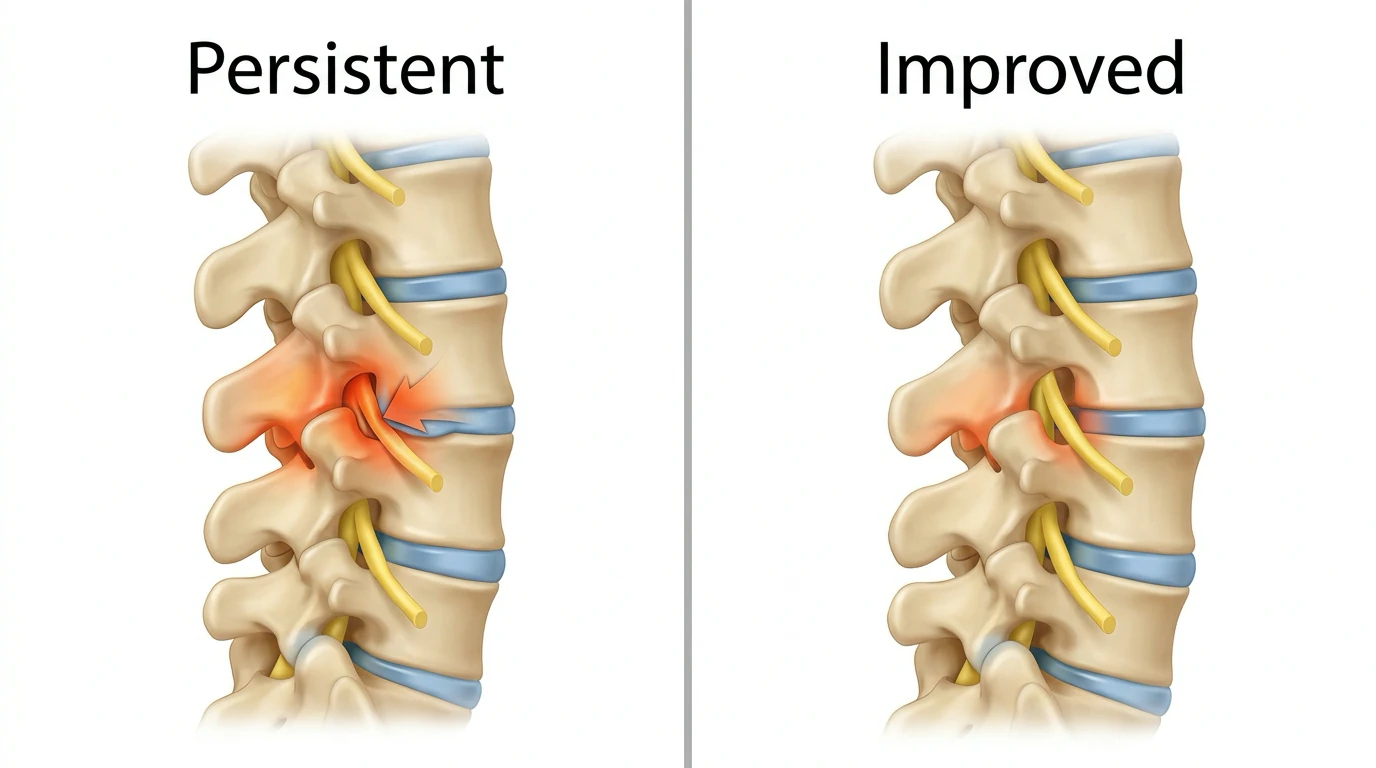
Persistent symptoms
Symptoms may not respond if they come from another pain source.
Anesthesia risks
Reviewed with the anesthesia team based on your medical history.
What are the alternatives? Surgery is not the starting point.
Some patients use activity modification, medication when safe, physical therapy, or injections before surgery. Alternatives depend on the diagnosis, neurologic findings, and whether symptoms are stable or progressive. It is reasonable to ask what would happen if surgery is delayed and which warning symptoms require faster care.
Related procedures include epidural steroid injection for selected nerve-related pain and posterior lumbar interbody fusion when stability is part of the problem.
