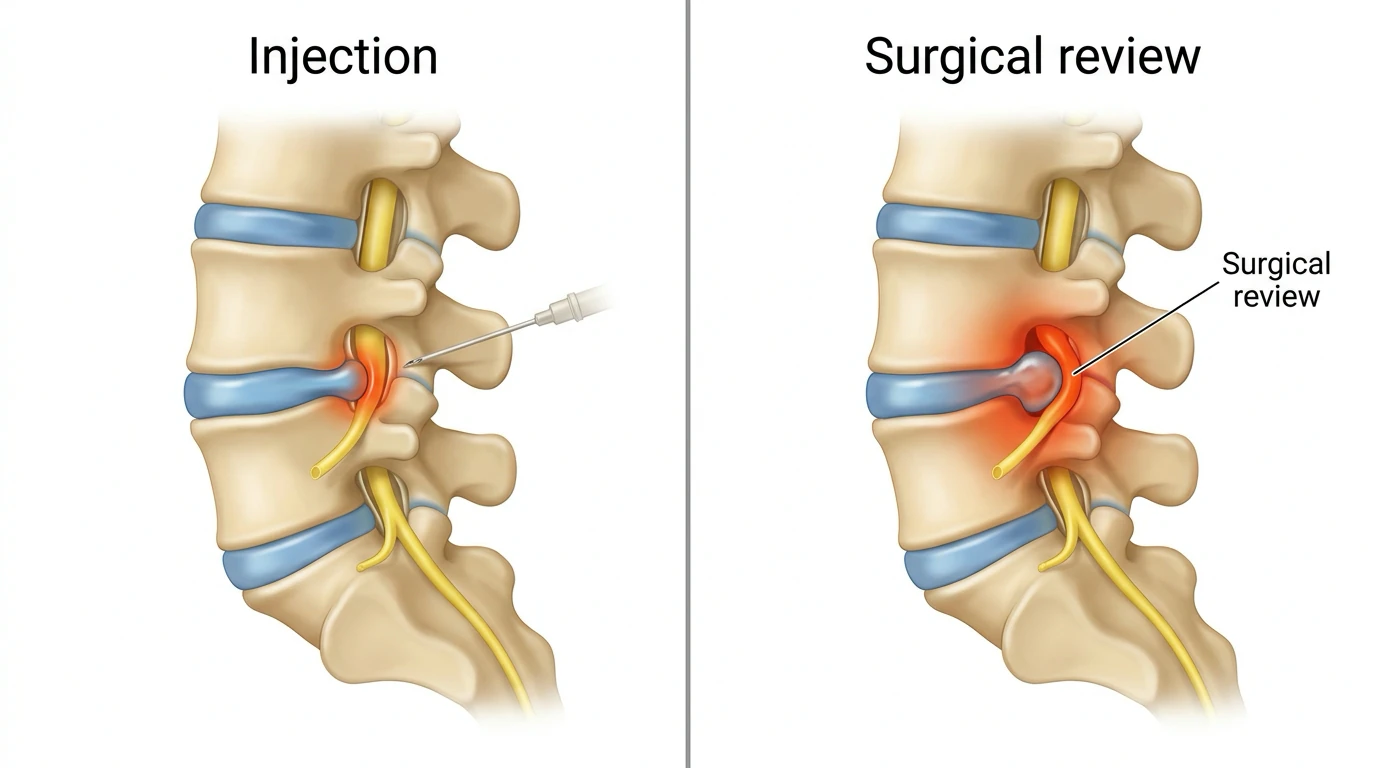
What is it? Epidural steroid injection explained.
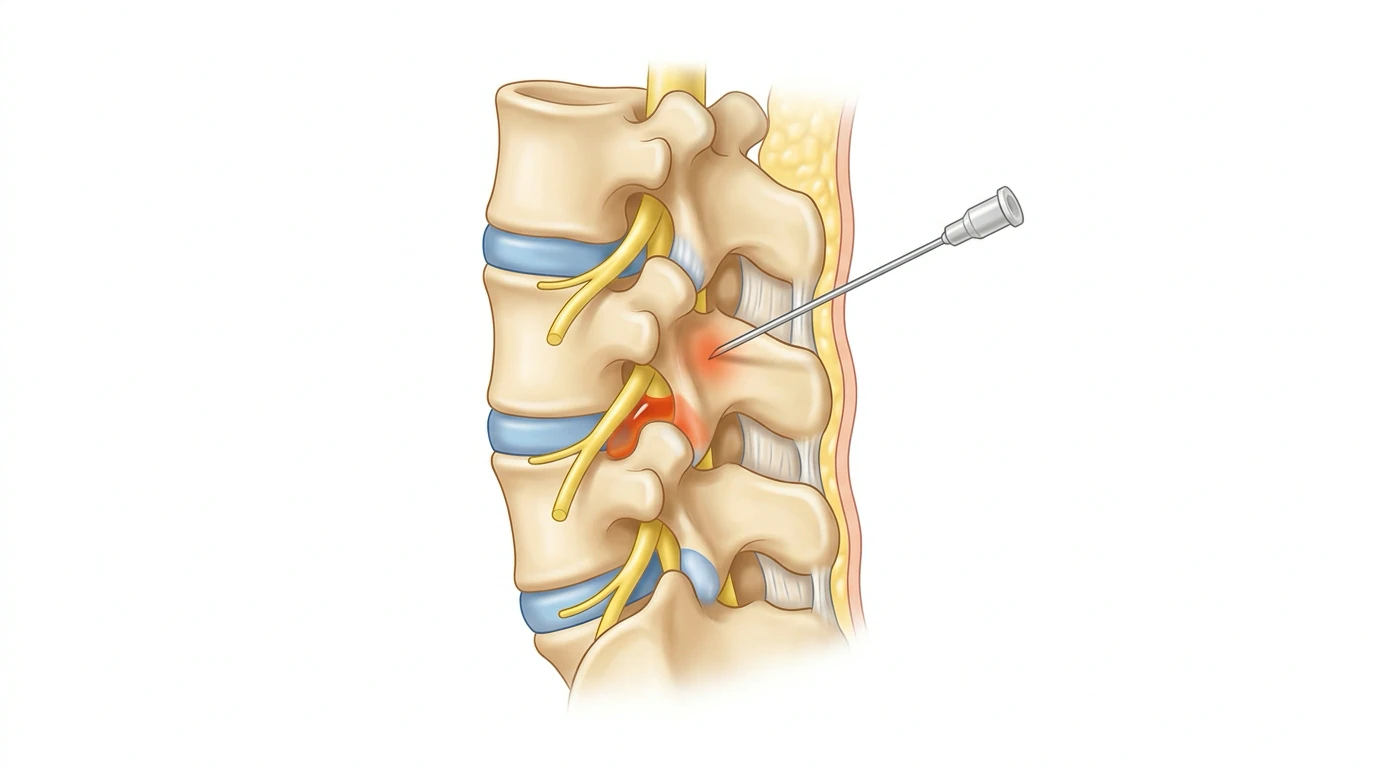
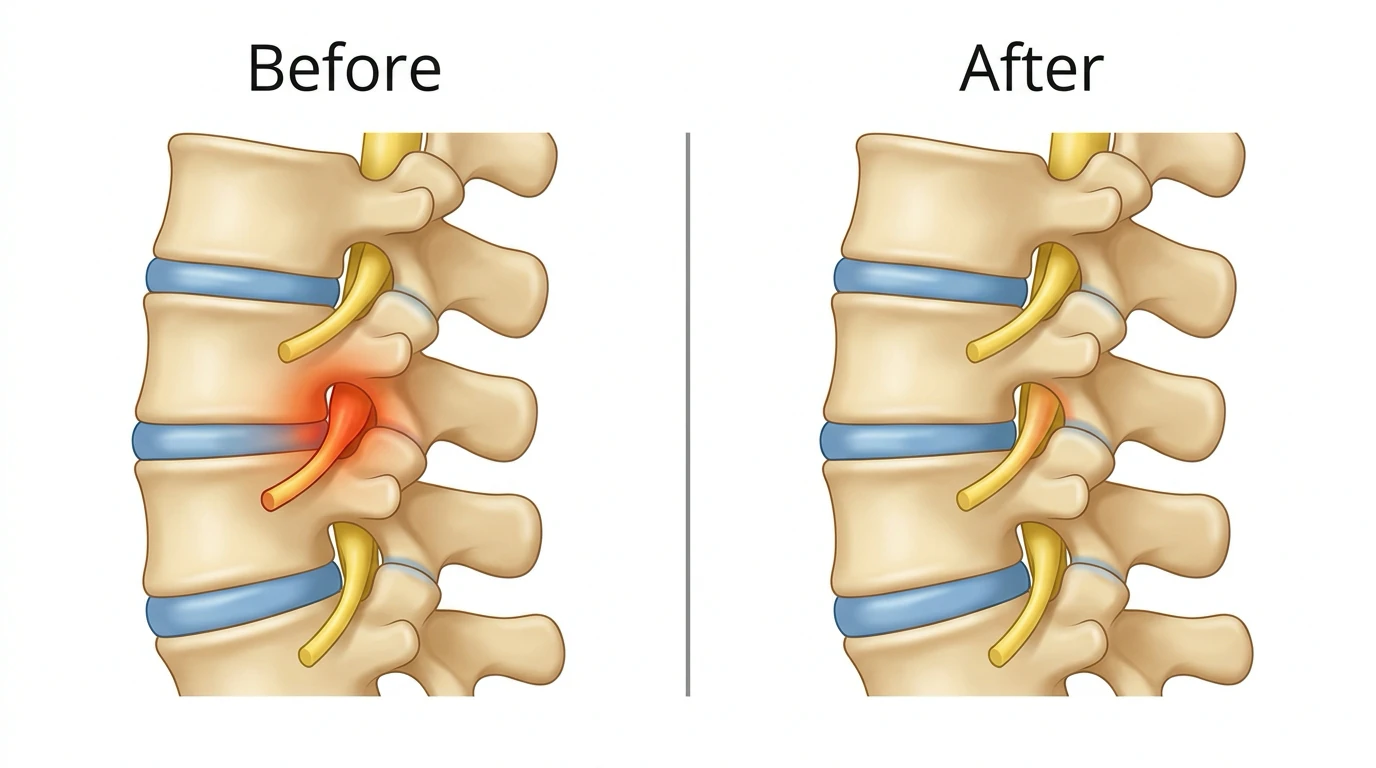
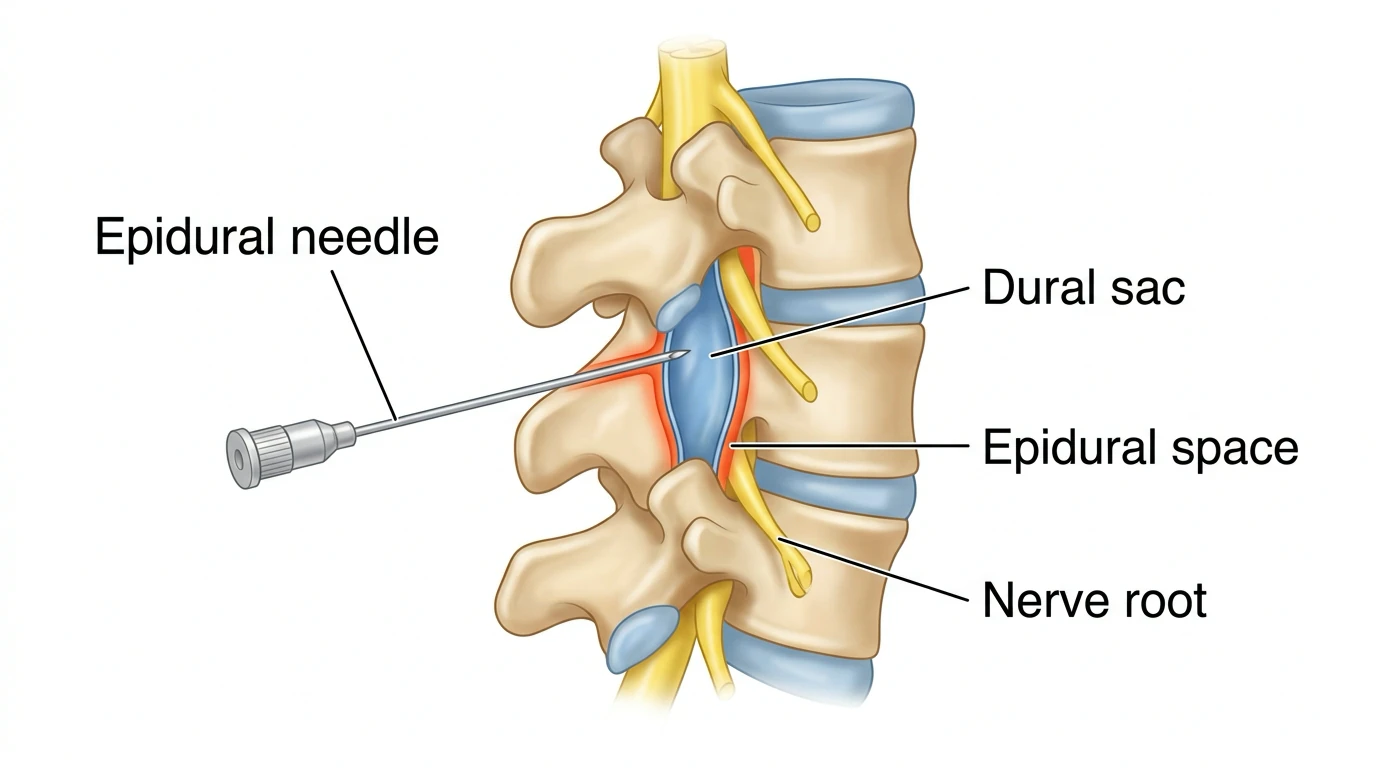
The epidural space is an area around the spinal nerves. During an epidural steroid injection, medication is placed into or near this space to reduce inflammation around an irritated nerve.
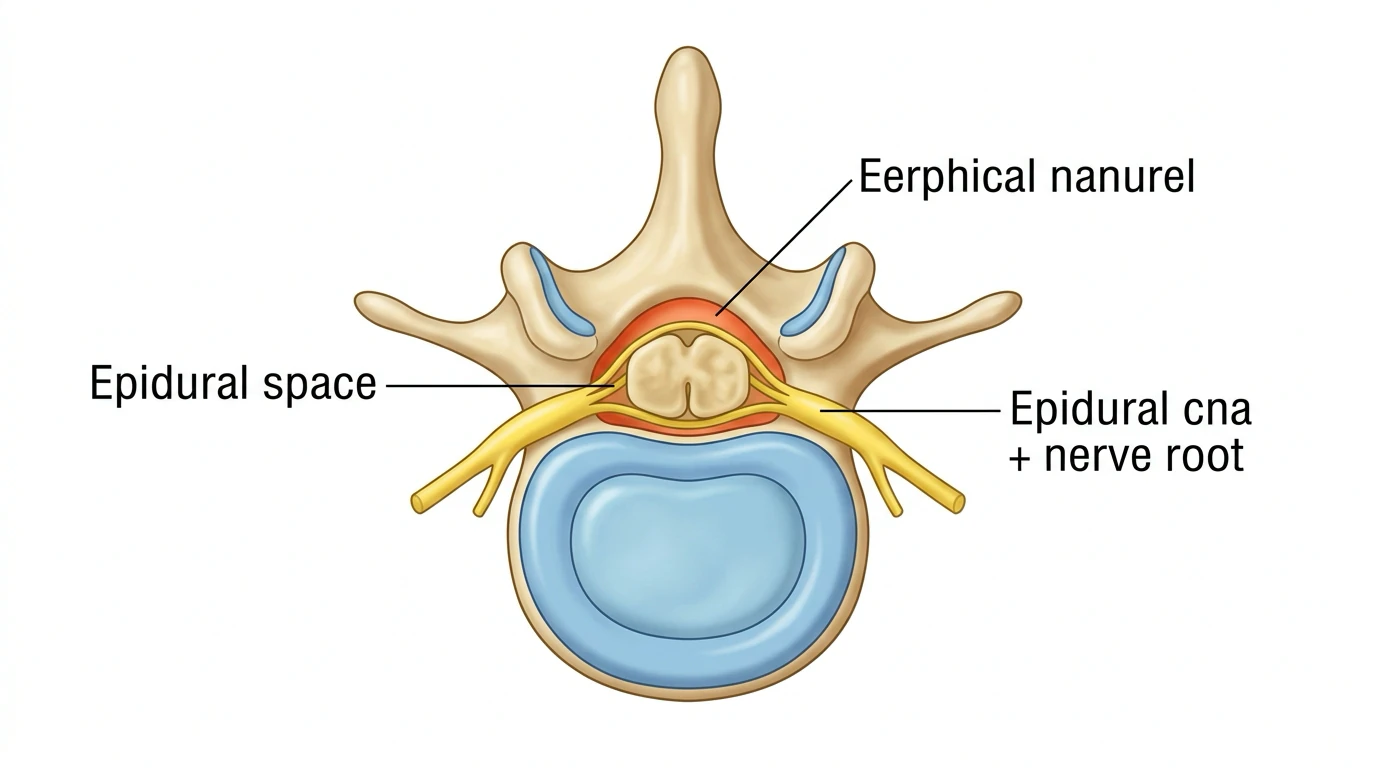
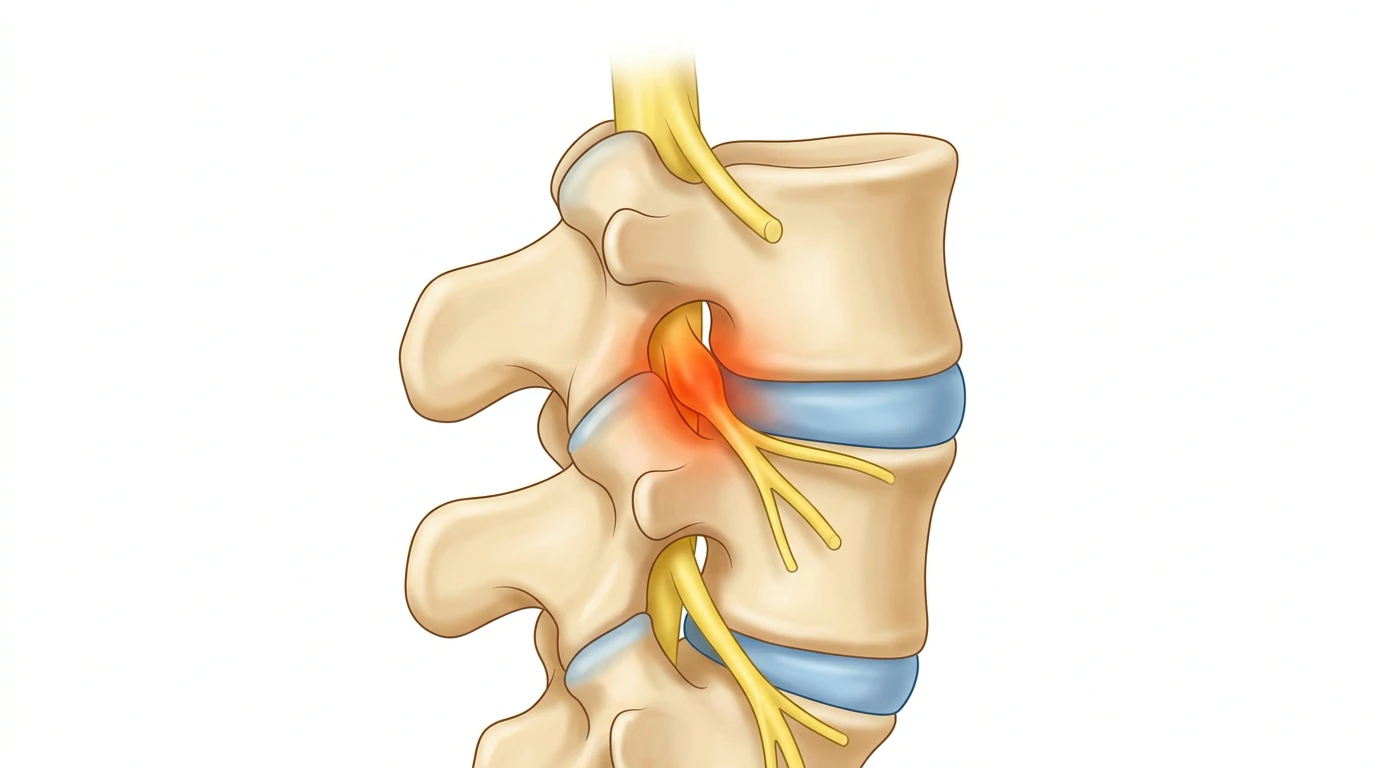
The injection is considered for radicular pain, which is pain that travels along a nerve path into an arm or leg. Depending on the diagnosis and anatomy, you may hear terms such as lumbar epidural steroid injection or cervical epidural steroid injection. An injection may be used to reduce inflammation, support rehabilitation, or help clarify whether a specific nerve is contributing to pain. It is not a permanent fix for structural narrowing and not a replacement for urgent evaluation when neurologic symptoms are worsening.
What does it treat? Nerve-related pain, not all back or neck pain.
Epidural steroid injections may be used for selected patients with nerve-related pain from disc herniation, spinal stenosis, or other causes of nerve irritation. They are not meant to treat every kind of back or neck pain.
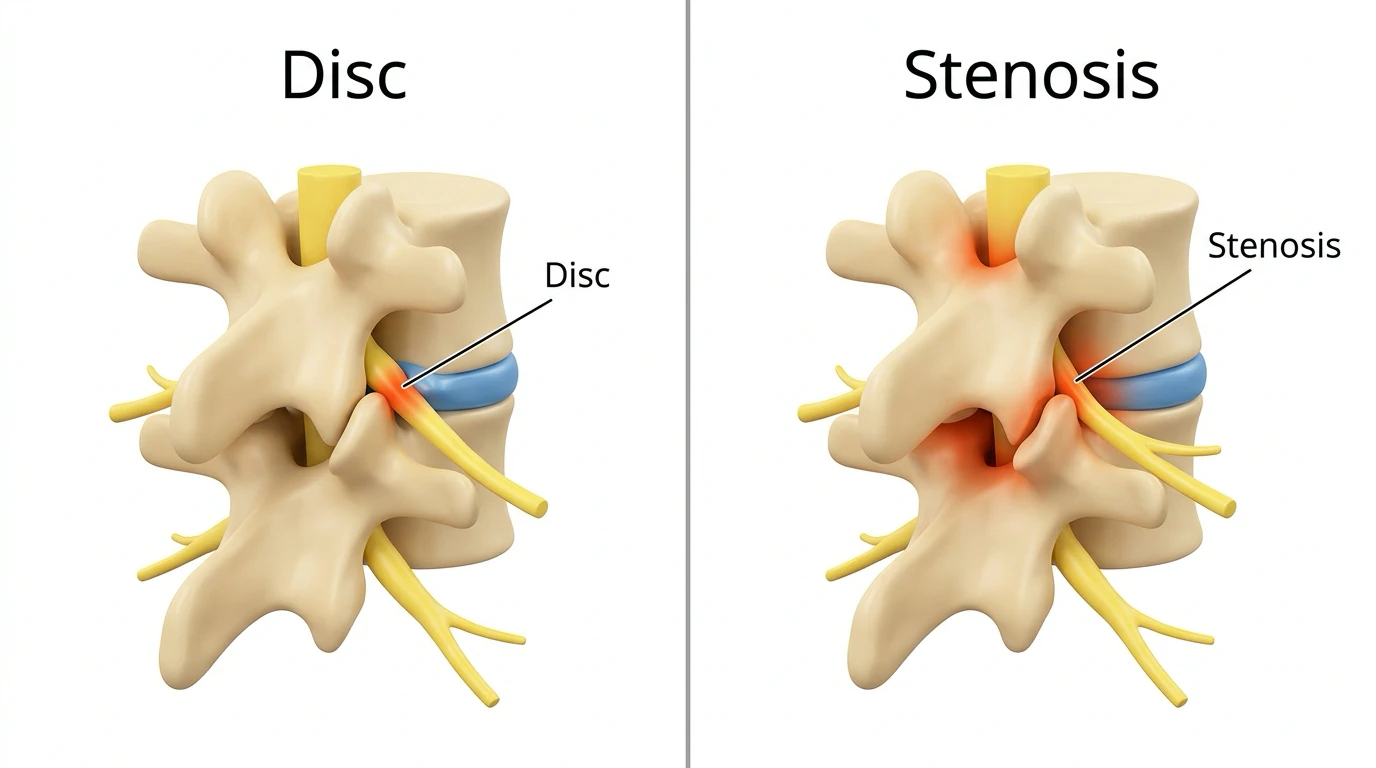
Strong candidates usually have symptoms that follow a nerve pattern, matching exam or imaging findings, and symptoms that have not improved enough with medication, therapy, or time.
Who is a candidate? The right patient for an injection.
The injection target is chosen based on the clinical picture. A patient with leg pain from lumbar nerve irritation needs a different discussion than a patient with neck and arm symptoms. The spinal region, imaging findings, medication risks, and neurologic exam all matter.
Good candidates
- Arm or leg pain that follows a nerve pattern
- Imaging or exam findings that support the target
- Symptoms that have not improved enough with conservative care
Poor candidates
- Active infection or significant bleeding risk
- Medication concerns, especially blood-thinning medication, or uncontrolled medical conditions
- Symptoms that do not suggest nerve irritation
- Symptoms that need urgent surgical evaluation
Medications, especially blood thinners, should be reviewed with the treating team before scheduling. Ask what diagnosis the injection is meant to address, what spinal level is being targeted, and how the response will be measured.
How does it work? The injection follows a precise sequence.
Positioning and preparation
The patient is positioned and the skin is cleaned.
Guided needle placement
Imaging may guide needle placement toward the epidural space near the irritated nerve.
Medication delivery
Anti-inflammatory medication is injected into the epidural space. The exact medication varies by patient, spinal region, and practice protocol.
Monitoring and instructions
The patient is monitored afterward and receives individualized activity and driving instructions.
What is recovery like? Recovery and what the response tells us.
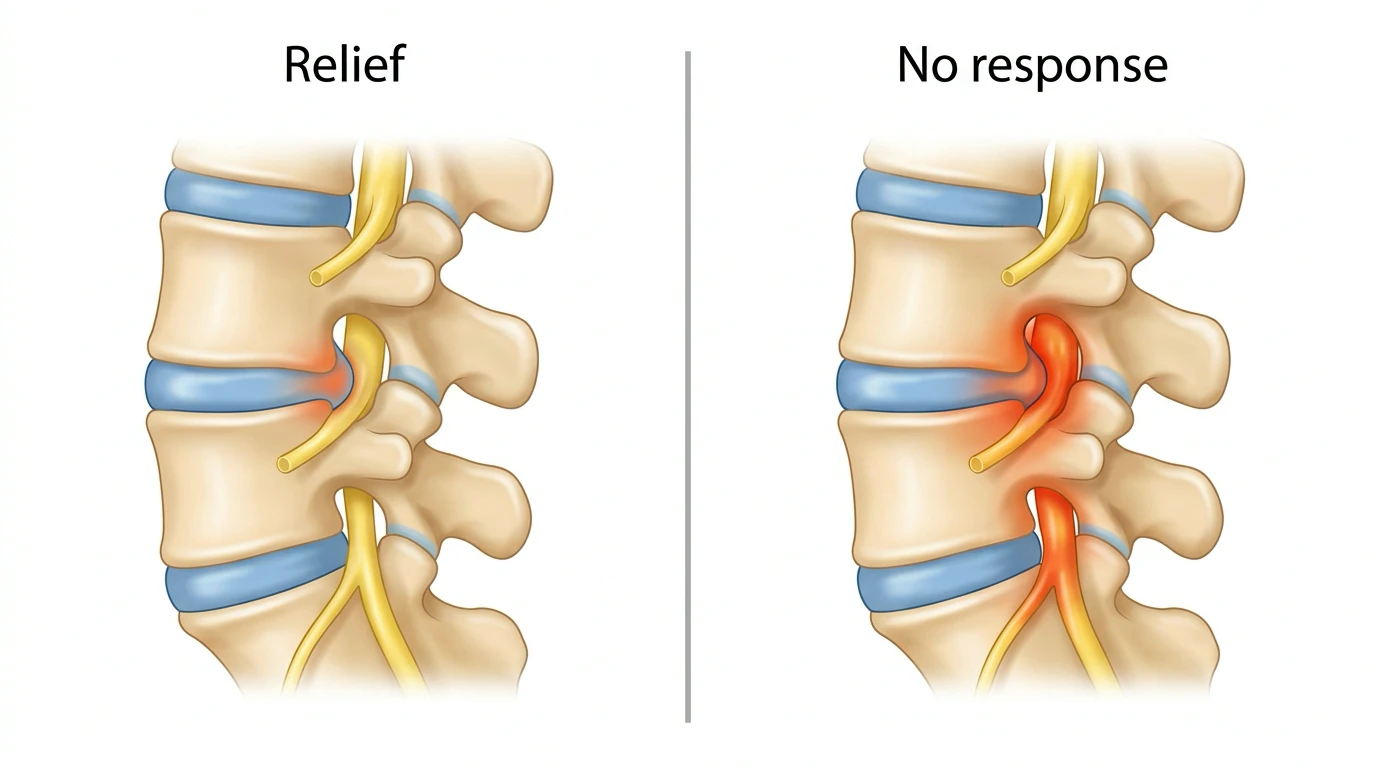
Recovery is usually shorter than after surgery, but the response varies. Some patients notice temporary soreness or a pain flare before symptoms improve. Others may not get meaningful relief.
Follow-up matters because the response guides the next step. Meaningful but temporary relief may support the diagnosis or help a patient participate in therapy. No relief may prompt a reassessment of the pain source, the injection target, or the treatment plan. Ask in advance what the next step will be if the injection helps, partially helps, or does not help.
Report fever, severe headache, new weakness, new numbness, worsening neurologic symptoms, or other concerning changes according to the care team's instructions. Activity, driving, and medication instructions are individualized; follow the written instructions from the clinician performing or ordering the injection rather than general online advice.
What are the risks? Risks and side effects worth discussing.
The risk discussion covers the spinal region, medication plan, imaging guidance, medical history, and whether the injection is diagnostic, therapeutic, or both.
Temporary pain flare
Some patients notice soreness or a flare before symptoms improve.
Bleeding and infection
Reviewed against your medication list and medical history before scheduling.
Dural puncture headache
A recognized risk of needle placement near the covering of the spinal nerves.
Medication side effects
Includes allergic reaction and elevated blood sugar in some patients.
Rare serious neurologic complications
Rare but discussed in every case, consistent with the FDA safety communication on epidural corticosteroid injections.
What are the alternatives? Where an injection fits in the plan.
Alternatives may include activity modification, medication when safe, physical therapy, continued observation, or surgical consultation when neurologic symptoms or structural compression require it. If weakness or spinal cord symptoms are present, the treatment plan may need a different level of urgency, and procedures such as discectomy or laminectomy may enter the discussion.