
01What is a cervical disc herniation?
The cervical spine is the neck portion of the spine. Discs sit between the vertebrae and help cushion movement. A cervical disc can herniate when disc material pushes beyond its normal boundary into space used by nerve roots or the spinal cord.
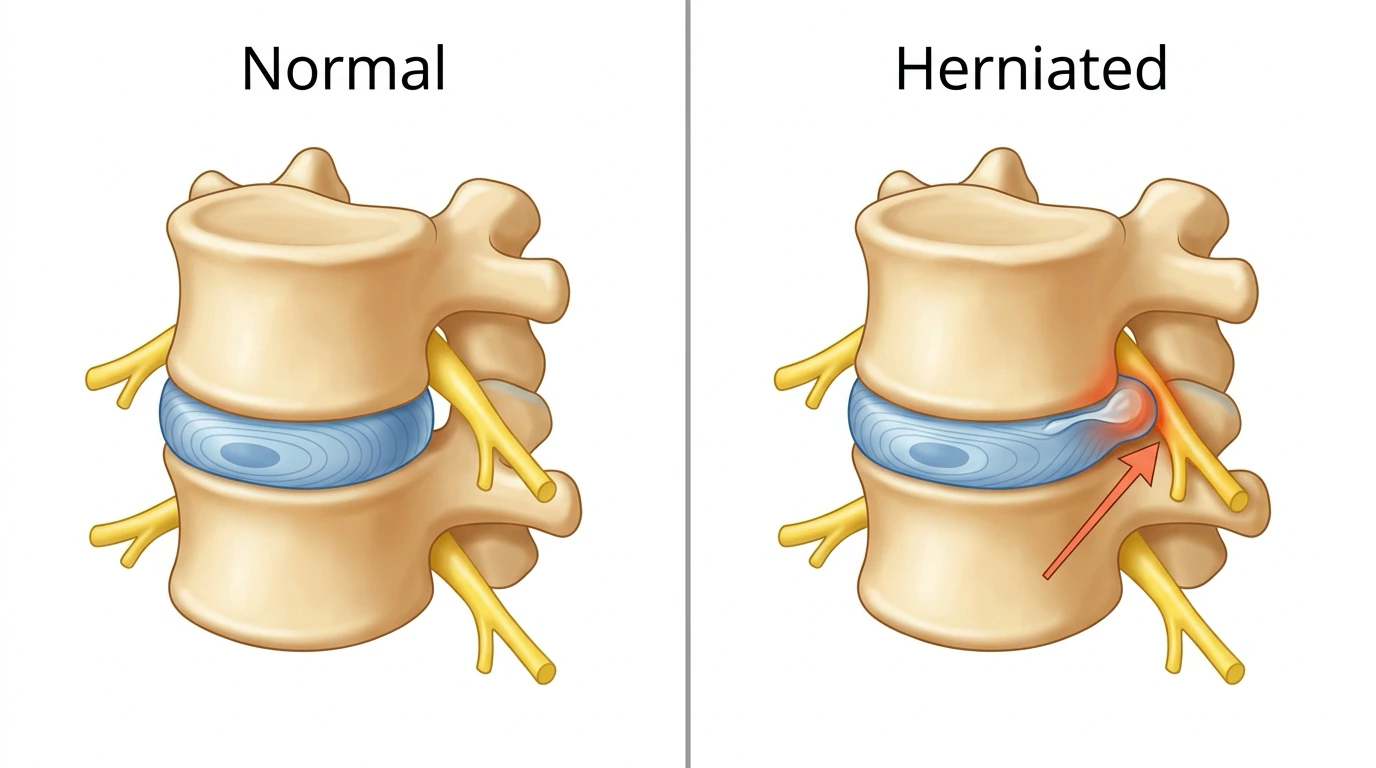
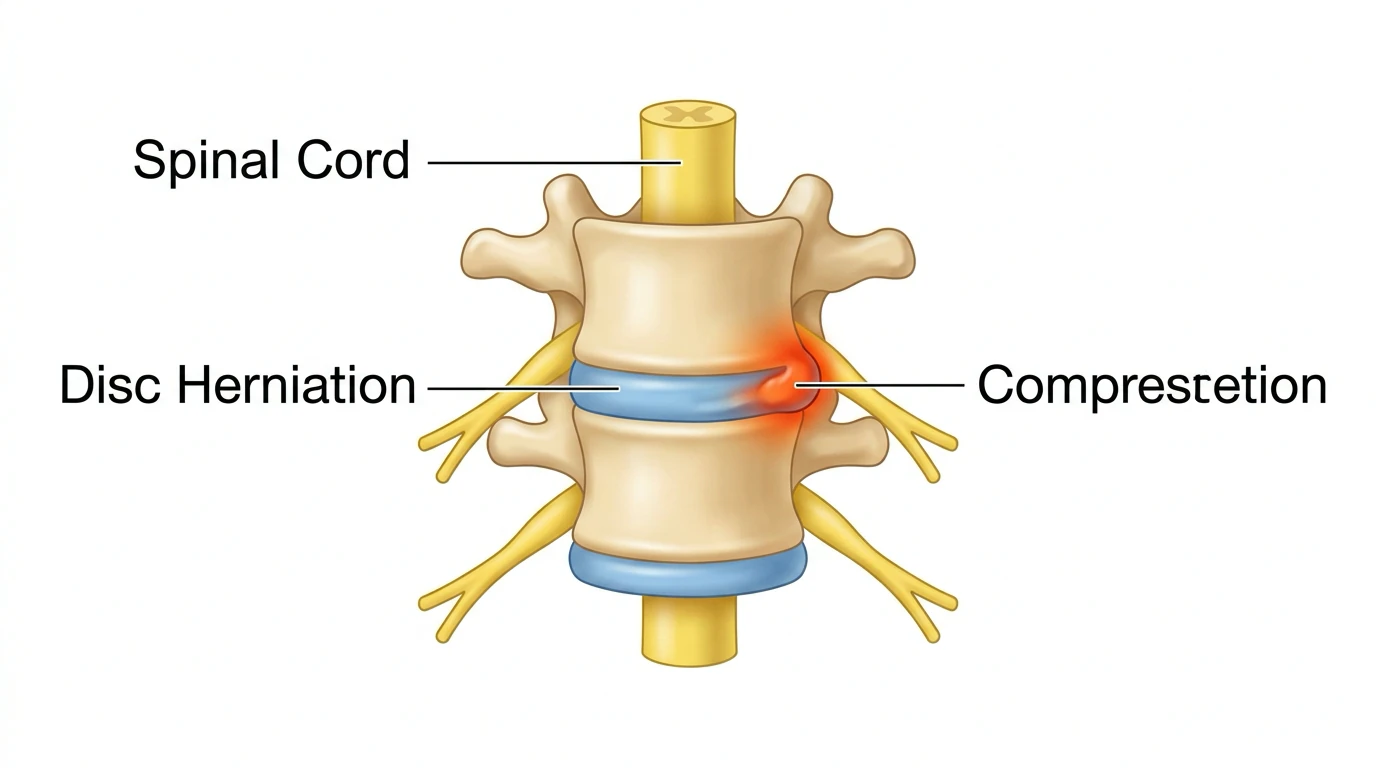
When a herniation affects a nerve root, symptoms may travel into the shoulder, arm, or hand. This is often called cervical radiculopathy. When the spinal cord is compressed, symptoms may involve balance, walking, hand coordination, or leg function. That pattern is different from an isolated pinched nerve in the arm, and it needs more careful review because it can suggest myelopathy.
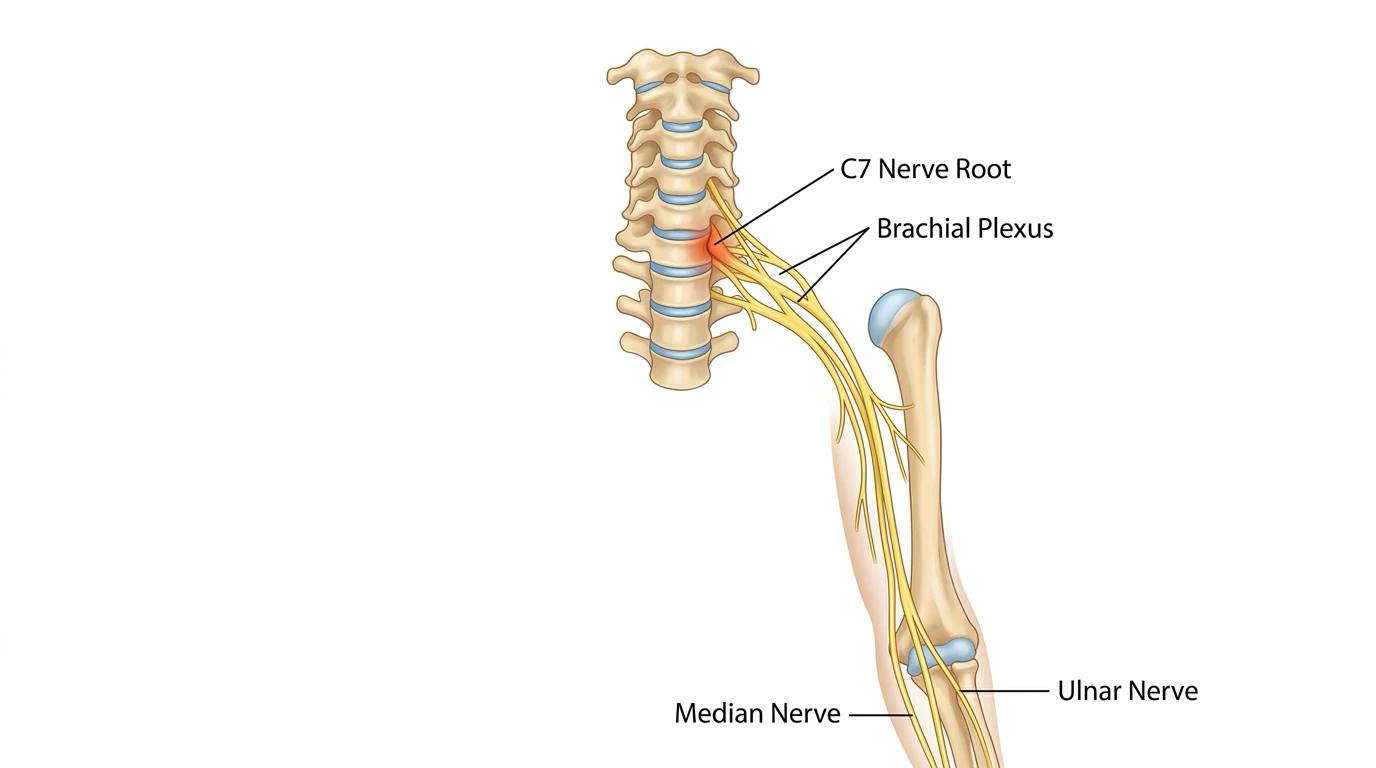
The location of symptoms matters. Arm pain, numbness, or tingling can also come from peripheral nerve problems such as carpal tunnel syndrome or ulnar neuropathy. A careful exam helps separate these possibilities.
02What are the symptoms?
Common cervical disc herniation symptoms include neck pain, shoulder pain, arm pain, numbness, tingling, weakness, or pain that follows a nerve pattern into the arm or hand. Some patients have more arm pain than neck pain.
Symptoms can worsen with certain neck positions. A patient may notice pain traveling into the shoulder blade, upper arm, forearm, or fingers. Weakness may affect grip, lifting, pushing, or specific arm movements depending on the nerve involved.
Symptoms involving the spinal cord may look different. Patients may notice hand clumsiness, balance changes, trouble walking, falls, stiffness, or changes in coordination. These symptoms need more careful review because they can suggest myelopathy.
- Progressive weakness
- Loss of hand coordination
- Trouble walking or balance changes
- New bowel or bladder changes
Severe arm pain alone is not always an emergency, but worsening neurologic function should not be ignored. If symptoms are changing quickly or affecting walking, hand control, or bladder function, seek medical evaluation promptly.
03How do we diagnose a cervical disc herniation?
Diagnosis usually includes a history, physical exam, neurologic exam, and imaging when needed. The exam may check reflexes, sensation, strength, gait, coordination, and whether symptoms follow a nerve root pattern. It also helps distinguish radiculopathy from myelopathy: radiculopathy usually means a nerve root is irritated and symptoms travel into a shoulder, arm, or hand, while myelopathy means the spinal cord is affected. These conditions can both involve the cervical spine, but they are not managed the same way.
MRI is commonly used to evaluate the disc, nerve roots, and spinal cord. The most useful imaging is imaging that explains the patient in front of us. Disc changes can show up on scans without being the cause of symptoms, so the treatment plan should depend on symptoms, exam findings, and imaging together.
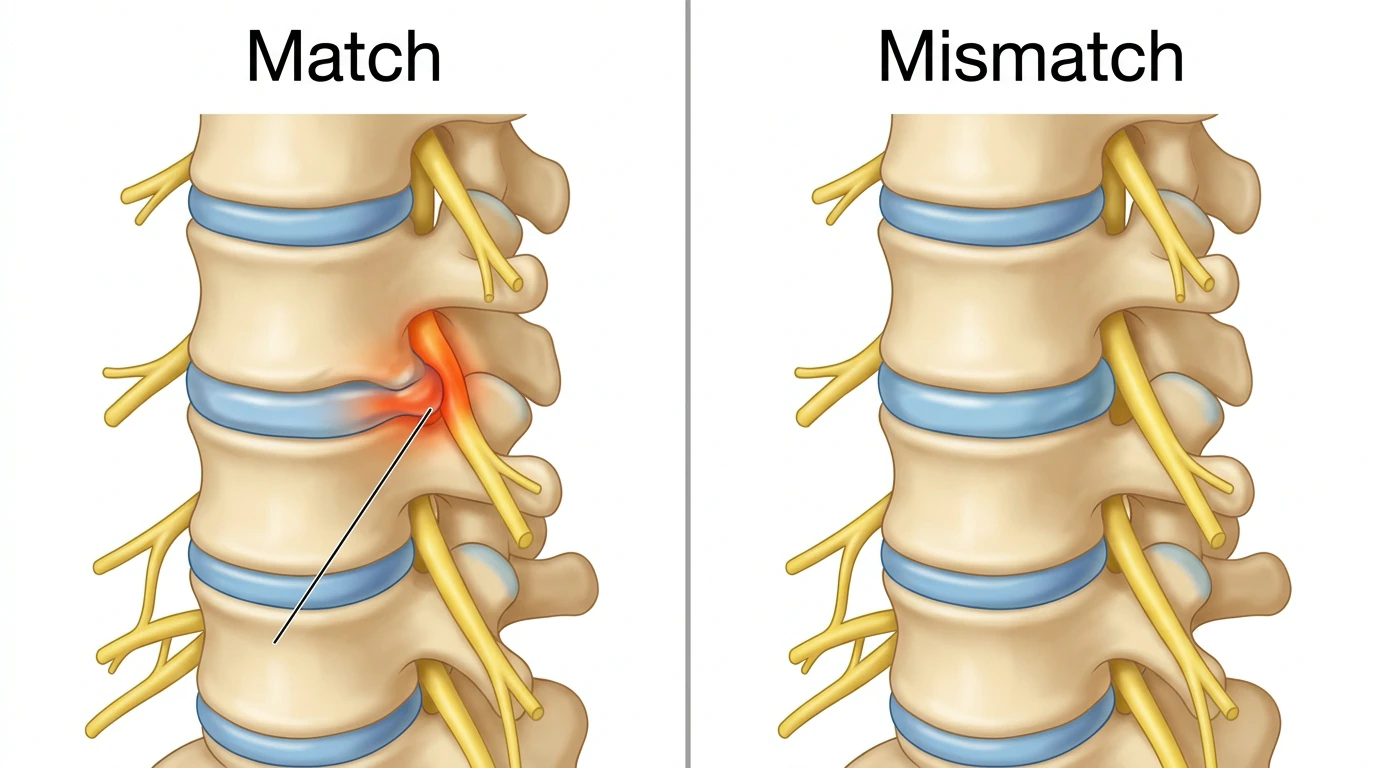
When symptoms overlap with carpal tunnel syndrome, ulnar neuropathy, or another peripheral nerve condition, additional testing may be considered. The goal is to avoid assuming every arm symptom comes from the neck or every hand symptom comes from the wrist.
04What are the treatment options?
Treatment follows a deliberate progression from least invasive to most invasive. The path depends on whether the main issue is pain, nerve root irritation, weakness, or spinal cord compression: stable arm pain without major neurologic findings may allow time for conservative care, while progressive weakness or myelopathy changes the level of concern.
Initial care may include education, avoiding symptom-provoking activities, medication when safe, and monitoring neurologic symptoms.
Therapy may focus on posture, mobility, strengthening, and symptom control.
The goal is to reduce inflammation around an irritated nerve root. This is not the same as repairing the disc.
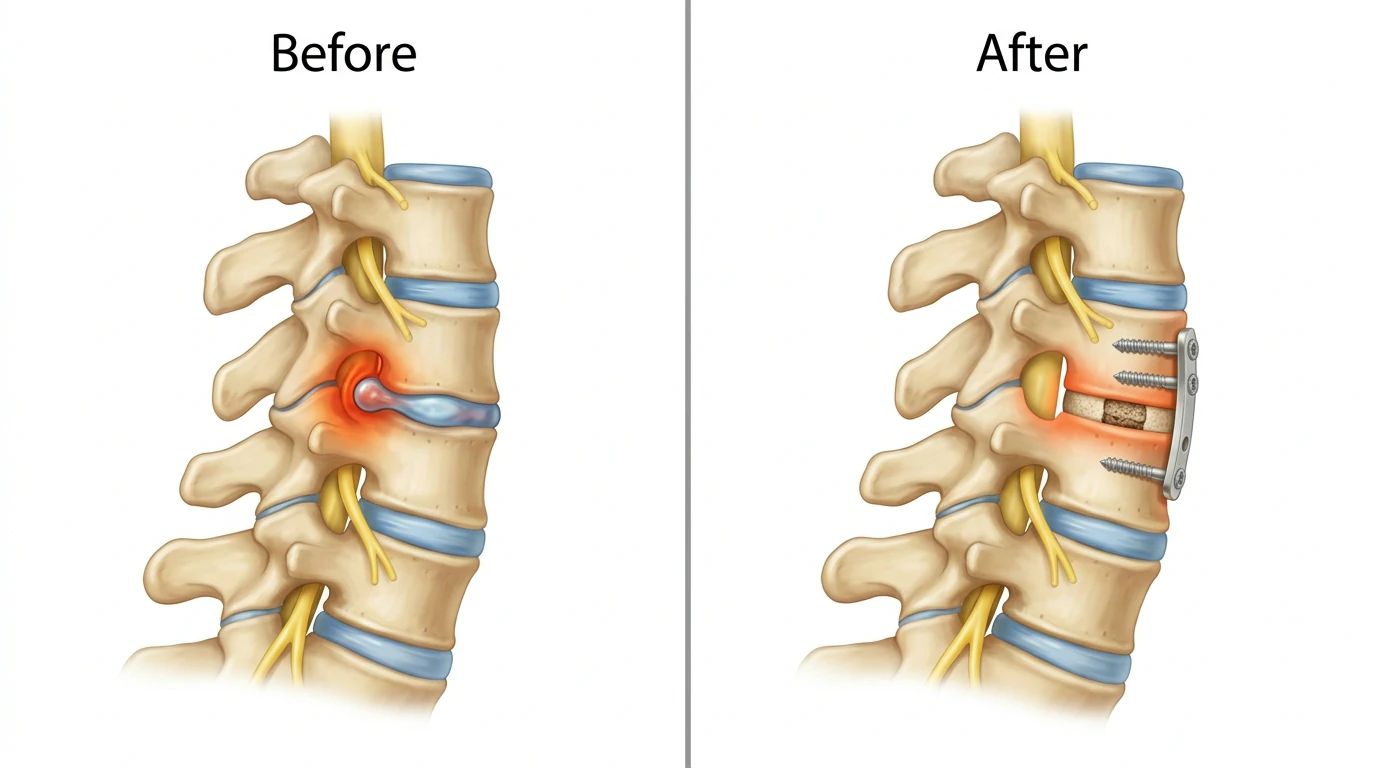
Depending on the anatomy, surgery may include anterior cervical discectomy with fusion or another decompression procedure. Ask whether the goal is nerve root decompression, spinal cord decompression, or both; that answer helps explain why one procedure may be recommended over another.
05When is surgery considered?
Surgery may be considered when arm pain, weakness, numbness, or spinal cord symptoms are severe, persistent, progressive, or clearly linked to compression on imaging. The decision depends on your neurologic exam, imaging, symptom severity, spinal alignment, and health.
Surgery is one treatment option, not the default answer. The priority is to protect nerve or spinal cord function while avoiding unnecessary intervention when symptoms can be managed safely without surgery.
06When should you see a specialist?
BSNI can review symptoms and imaging, evaluate nerve or spinal cord findings, and explain nonsurgical and surgical options when appropriate. We help you understand whether your symptoms fit cervical radiculopathy, myelopathy, a peripheral nerve problem, or another cause, so you do not assume every symptom has the same source.
Before an appointment, it helps to note whether symptoms travel into a specific part of the arm or hand, whether weakness is present, whether balance or walking has changed, and whether hand coordination is different. Prior MRI images, nerve testing, and treatment records can help clarify the diagnosis.
Useful questions to ask: is the problem affecting a nerve root or the spinal cord, are symptoms stable or progressive, what nonsurgical options are reasonable, and what findings would make surgery more appropriate? Also ask which symptoms should trigger urgent follow-up. New walking trouble, hand clumsiness, worsening weakness, or bowel or bladder changes should be treated differently from stable neck discomfort.