
01What is hydrocephalus?
Cerebrospinal fluid normally circulates around the brain and spinal cord. Hydrocephalus occurs when fluid flow, absorption, or drainage is disrupted. The result is too much fluid in the ventricles, the fluid-filled spaces inside the brain.
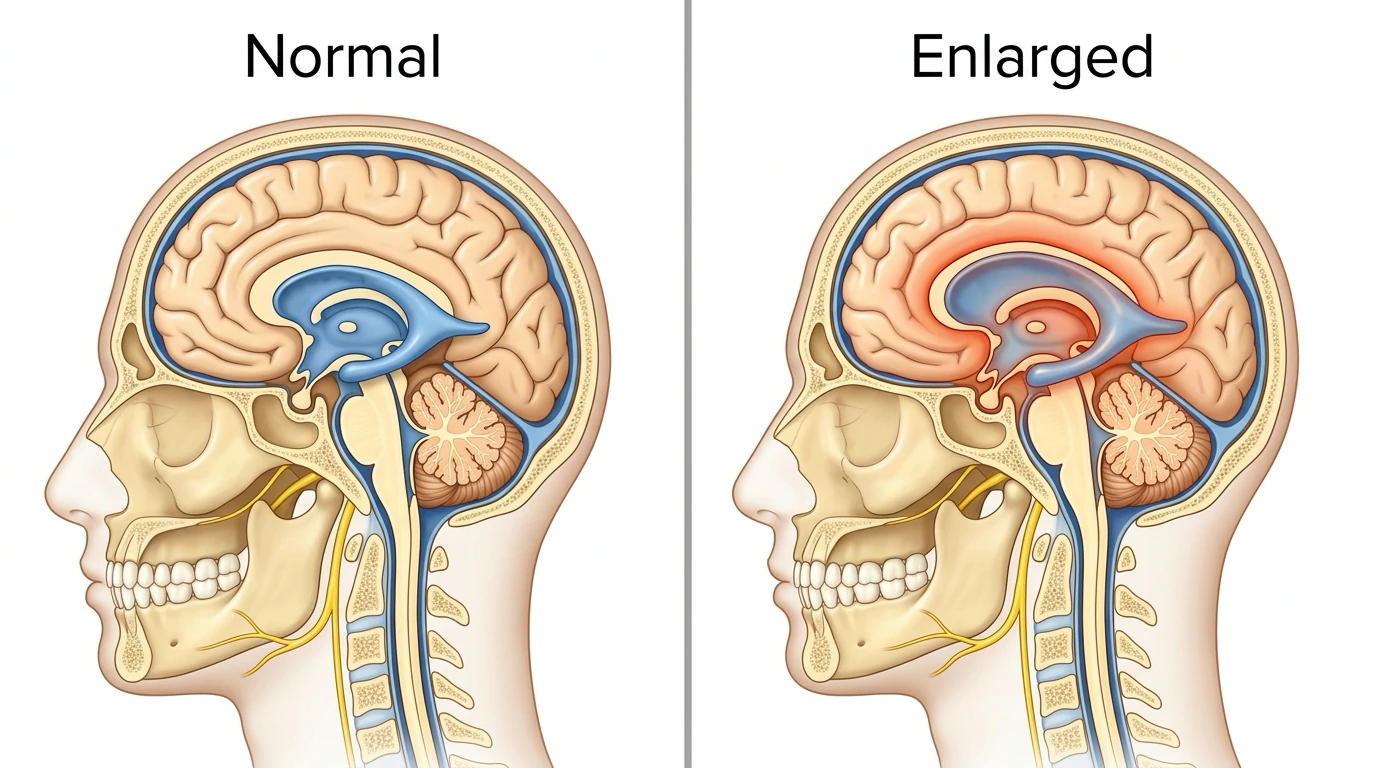
Hydrocephalus can be congenital or acquired. It may be related to obstruction, bleeding, infection, tumor, trauma, surgical complications, or other conditions. A brain tumor that affects fluid pathways is one of the acquired causes. In adults, normal pressure hydrocephalus is a specific form that may involve walking problems, thinking changes, and bladder symptoms.
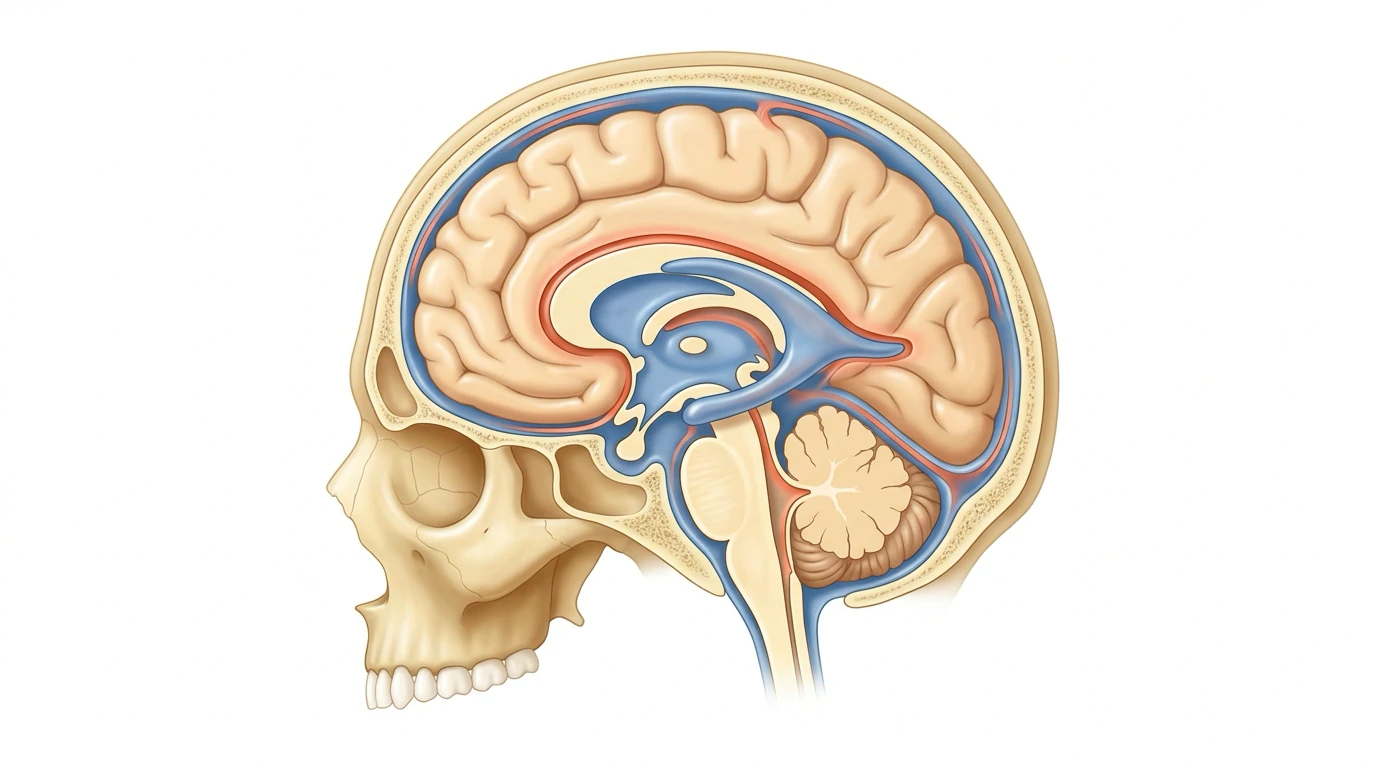
Hydrocephalus is usually managed rather than described as permanently resolved. Treatment can help control fluid buildup, but follow-up and symptom awareness often remain important.
02What are the symptoms?
Hydrocephalus symptoms vary by age and cause. They may include headache, nausea, vomiting, vision changes, balance problems, cognitive changes, gait difficulty, sleepiness, or bladder symptoms.
Normal pressure hydrocephalus may involve walking difficulty, cognitive changes, and bladder symptoms. These symptoms can overlap with other neurologic or medical conditions, so diagnosis requires careful evaluation. The pattern of the three together matters more than any one symptom alone.

Patients with a shunt need to watch for symptoms that may suggest malfunction or infection. Returning hydrocephalus symptoms, fever, redness or tenderness along the shunt tract, vomiting, headache, visual changes, confusion, or sleepiness may require urgent evaluation.
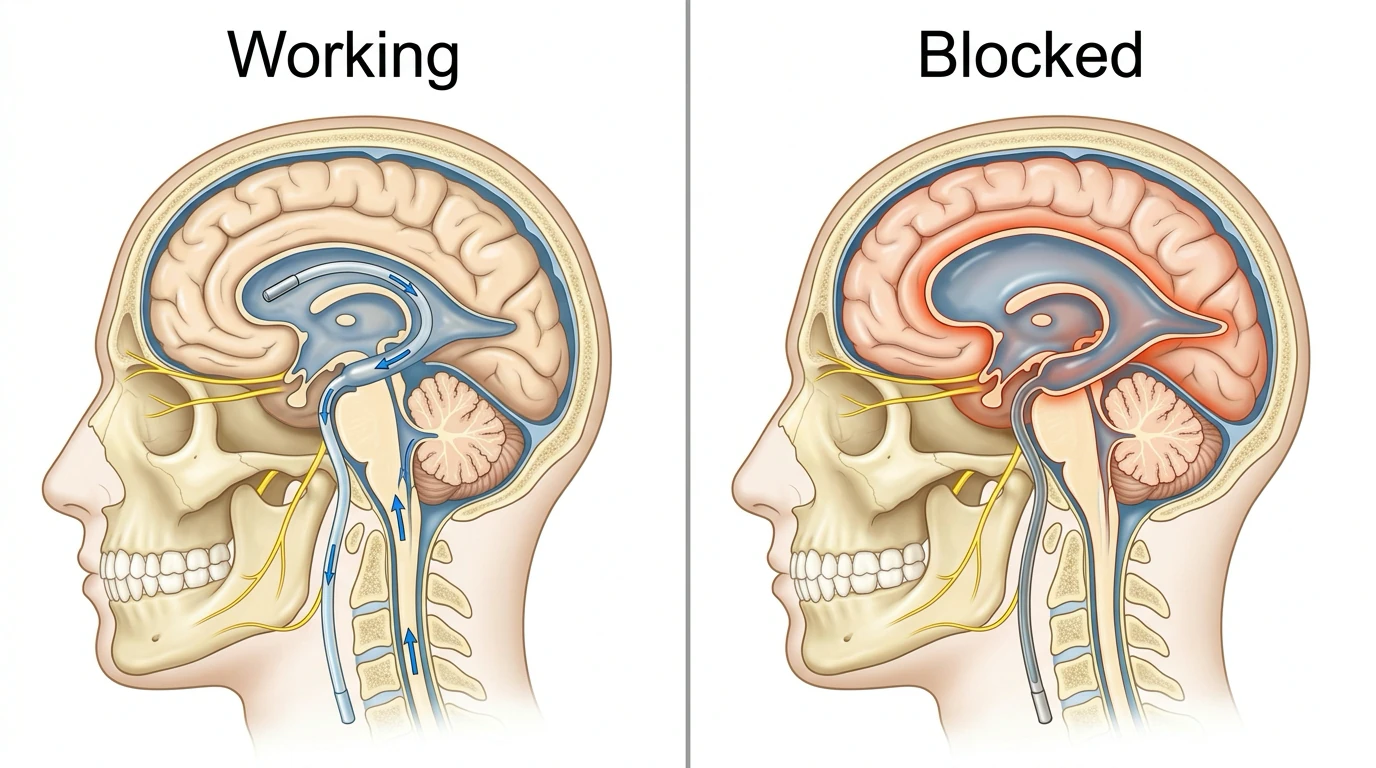
Two common mistakes are worth avoiding: assuming every headache is hydrocephalus, and assuming subtle changes are harmless because they are not dramatic. Changes in walking, alertness, headaches, vomiting, or cognition are most meaningful when they are new for that person compared with their baseline.
03How is hydrocephalus diagnosed?
Diagnosis usually includes neurologic evaluation and brain imaging. Imaging helps show ventricular enlargement and may help identify possible causes of fluid buildup. Additional testing may be used to evaluate normal pressure hydrocephalus or shunt function, depending on symptoms, age, medical history, imaging findings, and whether a device is already in place.
For patients who already have a shunt, diagnosis often starts with a different question: are current symptoms from the shunt, from hydrocephalus returning, or from another condition? That distinction matters because headache, nausea, sleepiness, and confusion can have many causes. A careful review of symptom timing, prior shunt history, recent infections, and imaging helps guide the next step.
For suspected normal pressure hydrocephalus, the history is especially important. Walking changes, thinking changes, and bladder symptoms can overlap with other neurologic or medical conditions. A specialist review helps decide whether the pattern fits normal pressure hydrocephalus closely enough to justify additional testing or neurosurgical discussion.
04What are the treatment options?
Treatment may include shunt placement, endoscopic third ventriculostomy in selected patients, monitoring, or shunt revision when malfunction occurs. The goal is to improve or control cerebrospinal fluid flow and reduce the effect of fluid buildup. There is no fixed sequence; the plan depends on the cause, symptoms, imaging findings, and whether a device is already in place.
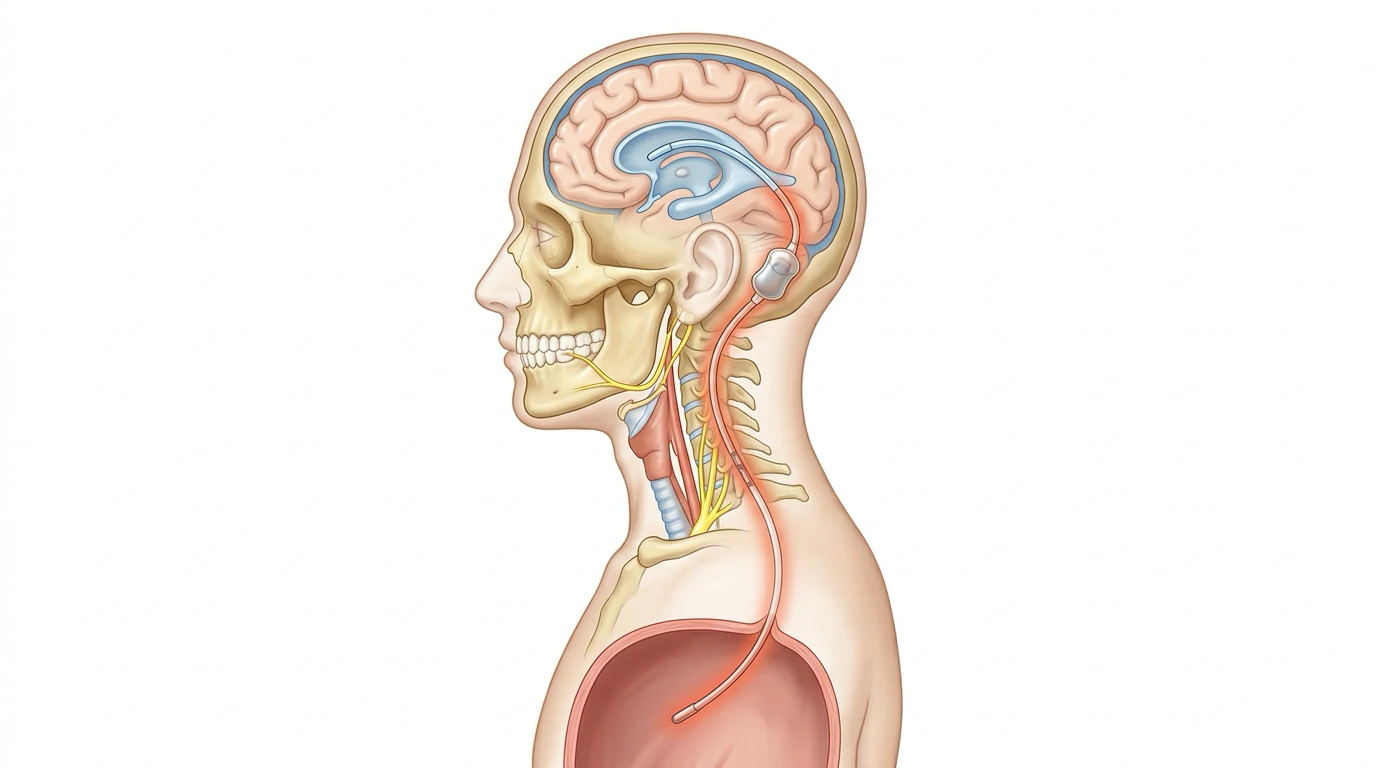
Endoscopic third ventriculostomy may be an option for selected patients depending on the cause and anatomy. Not every patient is a candidate, and the decision requires neurosurgical review.
Treatment planning also depends on whether hydrocephalus is new, longstanding, worsening, or related to a device that is already in place. Some patients need urgent evaluation because symptoms suggest pressure, infection, or shunt malfunction. Others need a structured outpatient review to understand imaging findings and whether symptoms fit a treatable hydrocephalus pattern.
The safest discussion avoids broad promises. Hydrocephalus care can reduce fluid-related pressure or improve fluid flow in selected patients, but the expected benefit depends on the cause, duration of symptoms, neurologic status, and patient-specific findings.
05When should you see a specialist?
BSNI can review symptoms and imaging, evaluate shunt concerns, and discuss neurosurgical options when appropriate. We help patients and caregivers understand whether symptoms suggest hydrocephalus, normal pressure hydrocephalus, shunt malfunction, or another neurologic condition.
Patients with and without a shunt need different discussions. For patients without a shunt, the key question is why fluid is building up and whether treatment is needed now. For patients with a shunt, the key question is whether the device is functioning as expected and whether current symptoms match prior malfunction or infection patterns. If a patient has normal pressure hydrocephalus concerns, the visit should focus on the pattern of walking, thinking, and bladder symptoms rather than one symptom alone.
Care coordination matters too. Some patients need neurosurgical monitoring, while others need coordination with neurology, primary care, emergency care, or rehabilitation depending on symptoms and cause. Families should know where to call when symptoms change, and a written plan of which symptoms require emergency evaluation versus an office call makes early recognition much easier, especially for patients with complex histories or existing shunts.