
01What is a brain tumor?
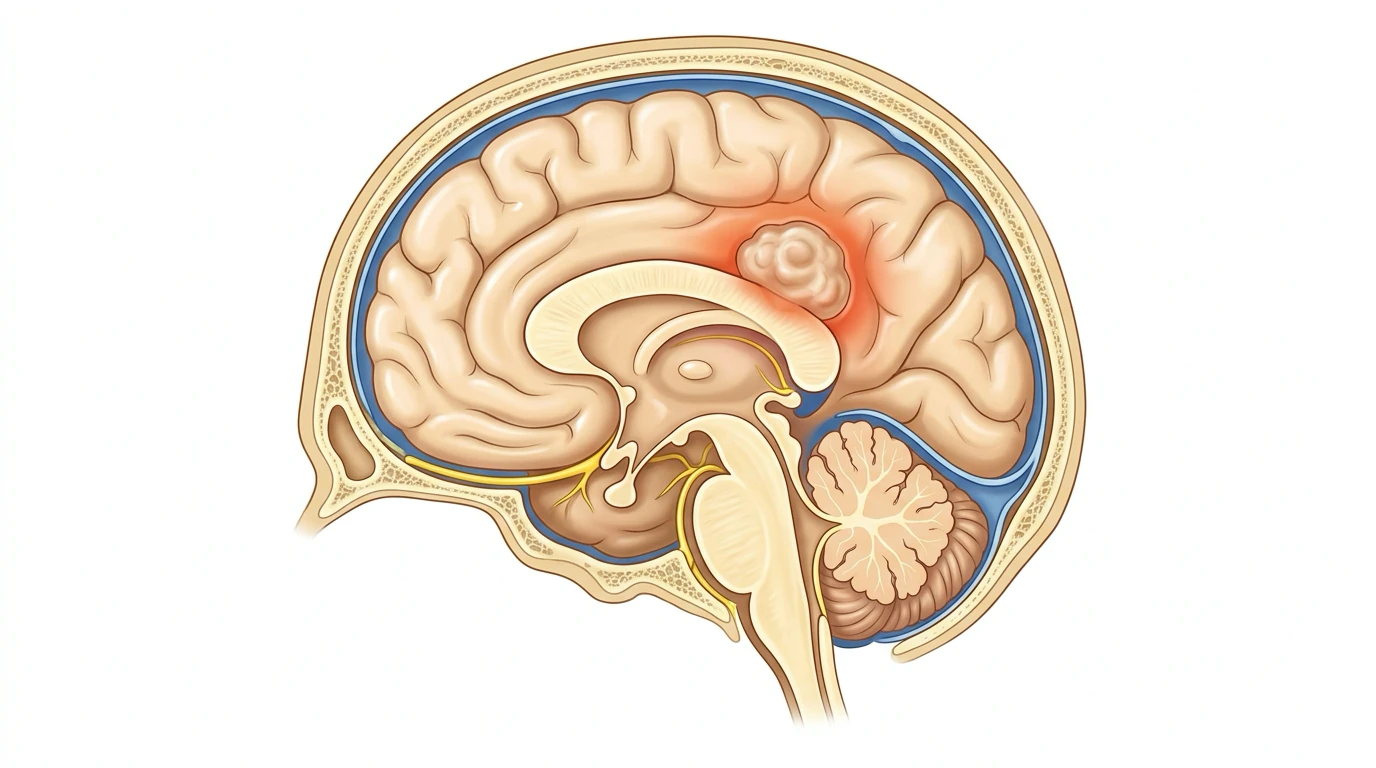
A brain tumor is a mass of abnormal cells in the brain or nearby structures. Some tumors are benign, and some are cancerous. Even a noncancerous tumor can cause symptoms if it presses on important brain structures, affects fluid flow, or irritates nearby tissue.
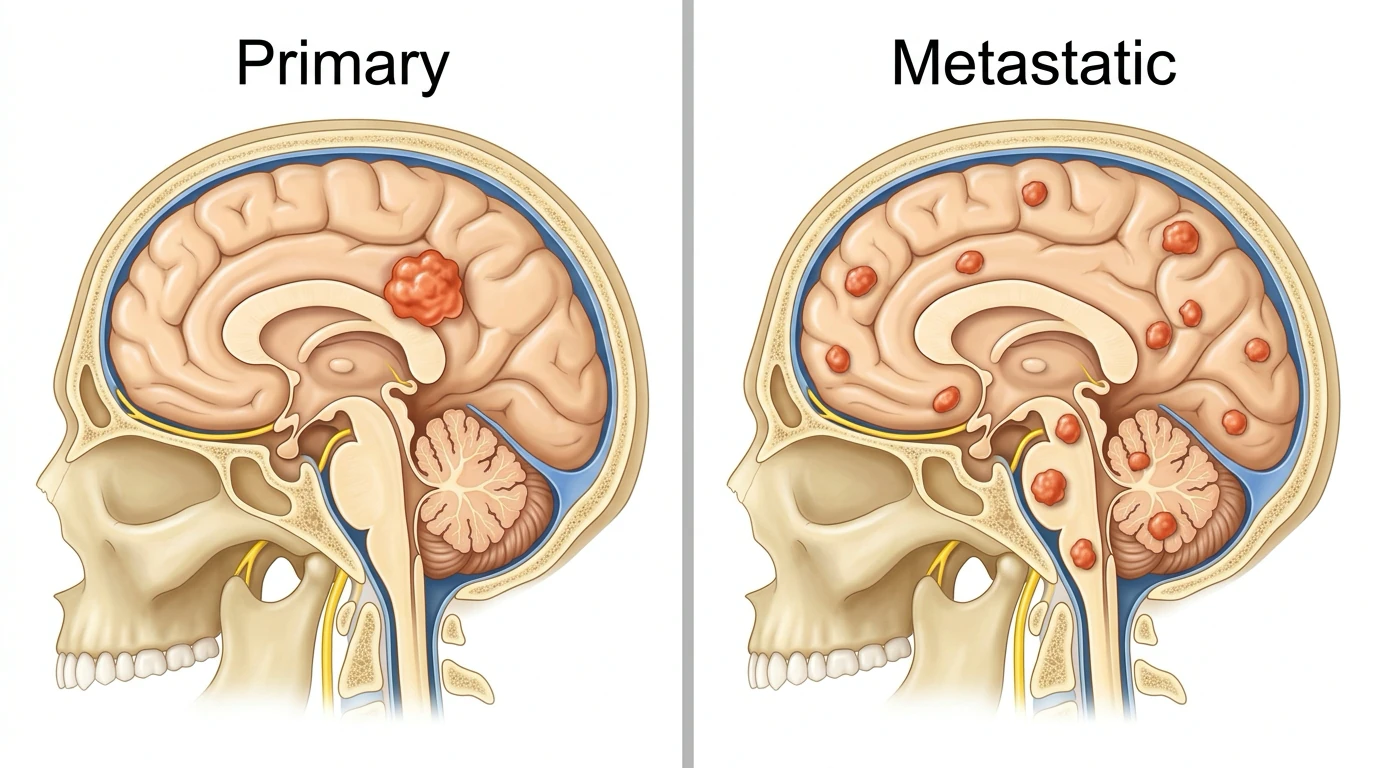
A primary brain tumor starts in the brain or central nervous system. A metastatic brain tumor starts somewhere else in the body and spreads to the brain. This distinction matters because treatment planning can be very different.
Some tumors are found after symptoms develop. Others are discovered when imaging is performed for another reason. Once a mass is seen, the next step is to understand where it is, what structures it affects, whether it is likely primary or metastatic, and whether tissue diagnosis or treatment is needed.
02What are the symptoms?
Brain tumor symptoms may include headache, seizure, nausea, vomiting, vision changes, speech changes, weakness, balance trouble, memory changes, personality changes, or confusion. Symptoms vary by tumor location and can overlap with other medical problems.
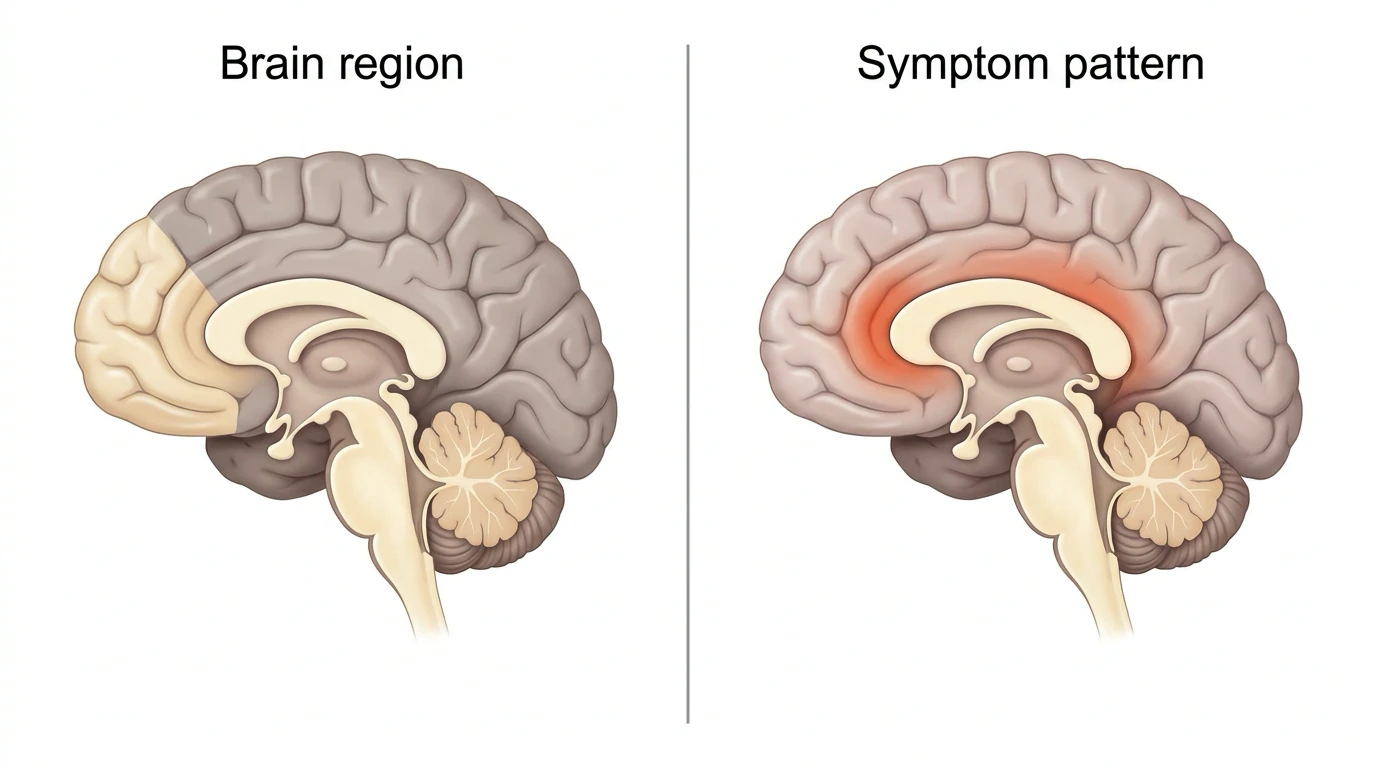
A tumor near areas involved in movement may cause weakness or coordination changes. A tumor affecting speech-related areas may cause trouble speaking or understanding language. A tumor that irritates brain tissue may cause a seizure. A tumor that affects fluid flow can contribute to hydrocephalus, which may cause symptoms from pressure or ventricular enlargement.
The important point is that there is no single brain tumor symptom pattern. New, progressive, or unexplained neurologic symptoms deserve medical evaluation, especially when they are worsening or involve seizure, weakness, speech, vision, or thinking changes. The urgent symptoms listed at the top of this page should be evaluated quickly regardless of the suspected cause.
03How are brain tumors diagnosed?
Evaluation usually starts with a medical history and neurologic exam. Brain imaging, often MRI, helps show the tumor's location, size, and effect on nearby structures. Imaging can also help clinicians decide whether additional testing, biopsy, surgery, monitoring, or referral to another specialist is needed. Symptoms alone cannot confirm a brain tumor; imaging and clinical evaluation are needed to understand what is happening and what should happen next.
The location of the tumor is often as important as its size. A small tumor near a sensitive brain area or a fluid pathway may cause symptoms, while a larger tumor in another location may be found before it causes obvious problems. Imaging helps show this relationship.
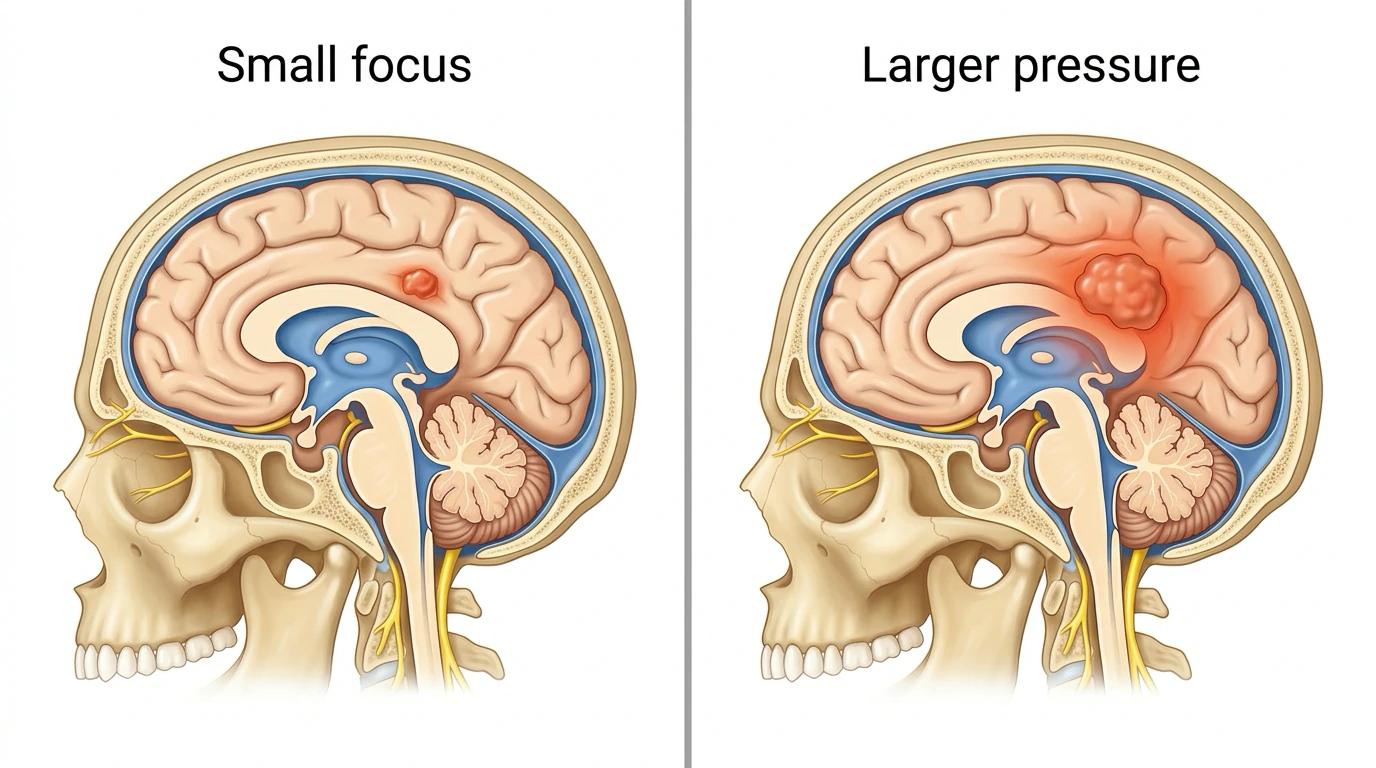
Additional testing may be needed to understand whether the tumor is primary or metastatic, whether there is swelling, whether cerebrospinal fluid flow is affected, and whether tissue diagnosis is needed. These decisions are individualized and should be made with the treating team. Depending on the tumor type and patient situation, care may include neurosurgery, neurology, oncology, radiation oncology, primary care, and other specialists.
04What are the treatment options?
Brain tumor treatment options may include observation, medication for symptoms, surgery, radiation therapy, chemotherapy, targeted therapy, or a combination of treatments. Some tumors are monitored closely. Others need active treatment because of symptoms, growth, swelling, diagnostic uncertainty, or pressure on important structures. There is no fixed sequence; the plan depends on tumor type, size, location, symptoms, overall health, and goals of care.
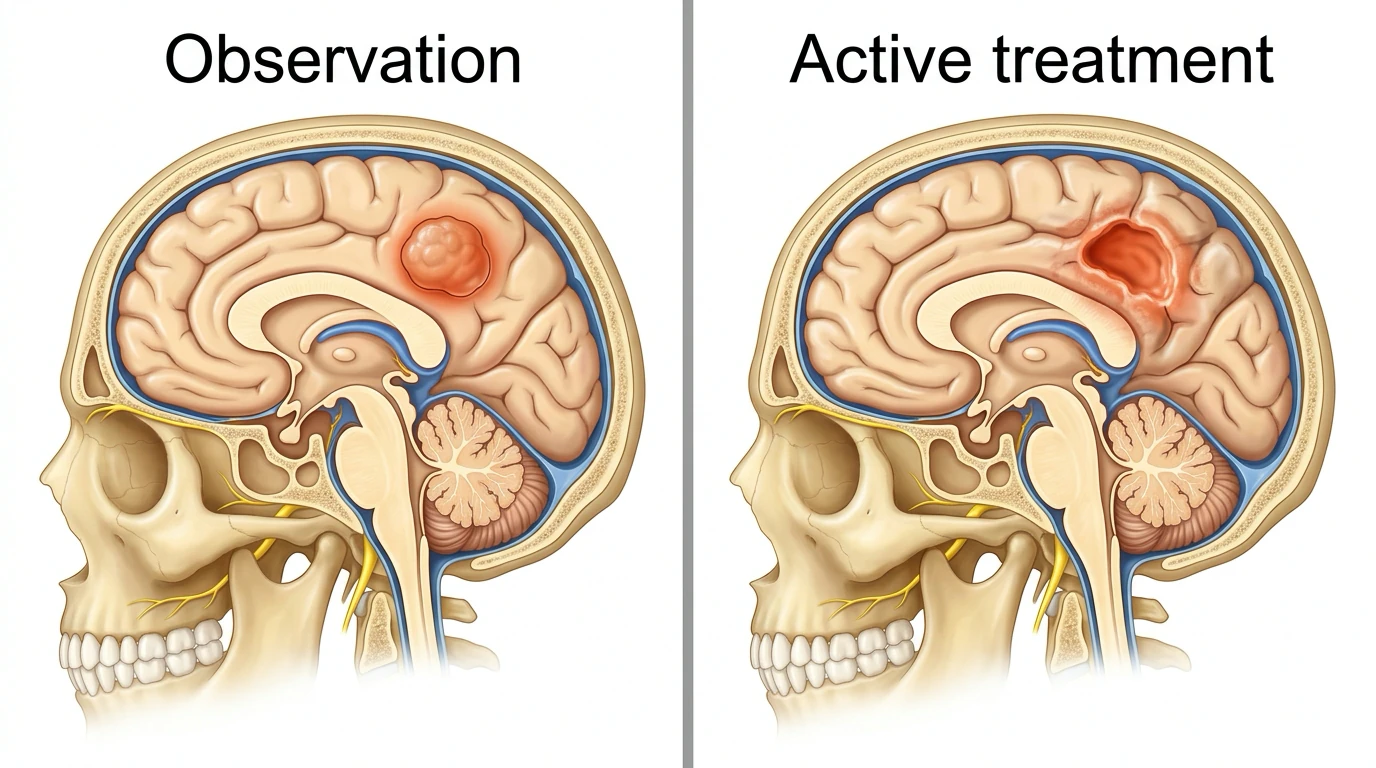
Observation may be considered for selected tumors when imaging, symptoms, and clinical context support careful monitoring. Medication may be used to manage symptoms such as seizures or swelling when appropriate. When surgery is considered, the goal may be to remove as much tumor as safely possible, obtain tissue for diagnosis, reduce pressure, or protect neurologic function.
Radiation, chemotherapy, or targeted therapy may be part of care for certain tumors. These options depend on the tumor type and other diagnosis-specific factors, so expectations about outcomes should come from your care team's review of your specific tumor, not from general information.
Because brain tumor care can involve multiple specialties, communication matters. You should understand who is managing imaging follow-up, who is managing medication, whether tissue diagnosis is needed, and what symptoms should trigger urgent care. Treatment plans often evolve as more information becomes available from imaging, biopsy, or treatment response, so the first plan should leave room for diagnosis-specific decisions.
05When should you see a specialist?
See a specialist when imaging shows a brain mass, symptoms suggest a neurologic cause, a seizure occurs, or symptoms are worsening. A neurosurgical evaluation can help clarify whether surgery, biopsy, monitoring, or coordinated care is appropriate. BSNI can review imaging, explain whether neurosurgical evaluation is appropriate, and help coordinate next steps based on the diagnosis. For many brain tumors, the first neurosurgical visit is about clarifying the next step rather than making every treatment decision at once.
Before the visit, gather MRI or CT images, radiology reports, emergency department notes, oncology records if relevant, a medication list, and a timeline of symptoms. If there has been a seizure, speech change, weakness, confusion, or vision change, write down when it started and whether it is improving, worsening, or coming and going.
Many neurologic symptoms have causes other than brain tumors, and the point of evaluation is not to create fear. It is to know when imaging review and specialist input are appropriate, without minimizing new or progressive neurologic changes.