The use of robotic surgery has grown rapidly over the past decade, and robotic spine surgery has become more common in recent years. Robotic surgery generally aims to automate repetitive tasks that are subject to human error, leading to fewer medical errors. Robotic surgery is incredibly safe, but will certainly not replace orthopedic surgeons anytime soon.
Currently, robotic surgery simply assists orthopedic surgeons. With any robotic surgery, there is less pain during recovery, a lower infection risk, less blood loss, shorter hospital stays, fewer hospital readmissions, and smaller scars.
Traditional Spine Surgery
In traditional spine surgery, neurosurgeons place instrumentation based solely on their knowledge of anatomy and X-rays. There is a high likelihood of error, especially due to the small incisions that are used during today’s minimally invasive procedures.
Additionally, spine surgery is time-consuming and laborious, leading to physical and mental fatigue for all surgeons. After their robotic spine surgeries, patients report minimal scarring and a faster recovery compared to patients who have only had traditional spine surgeries.
Depending on the specific procedure type, patients may be able to get out of bed shortly after anesthesia wears off and go home the same day or next day. After going home, patients will need to take it easy for a few days, avoid heavy lifting, and probably take medication for pain or constipation.
The Pros and Cons
Robotic surgery, including robotic spine surgery, is still very expensive and is not available everywhere. Information on the exact cost of robotic spine surgery is not published widely.
Many small practices and surgical centers cannot justify such a large initial investment to offer robotic spine surgery. However, as the technology becomes cheaper to manufacture, the cost of robotic surgery should go down.
One study found that a surgery center saved $600,000 by adopting robotic spine surgery, thanks to shorter surgical times, fewer infections, and fewer repeat surgeries.
A Patient Optimized Procedure
After keyhole spine surgery, many patients can go home the same day because the incision is very small. Patients will usually recover after a few weeks following their surgeries, and can return to work depending on the nature of their jobs. After an endoscopic spine surgery, patients will usually return to their normal daily life activities within two weeks of their operation.
Doctors might recommend a robotic spinal fusion surgery for patients with broken vertebrae, chronic low back pain, spinal instability, and spinal weakness.
Spinal fusion involves fusing two or more vertebrae together, which immobilizes the vertebrae to prevent instability. Surgeons use a combination of a bone graft and the patient’s natural bone growth processes to promote spinal fusion. The vertebrae are permanently fused once the bone graft heals.
Using Robots for Spine Surgery
Medtronic, an international medical device company, develops robotic guidance technology for spine surgery, including its Mazor X Stealth robotic guidance system. It is considered to be one of the leaders in robotic spine surgery.
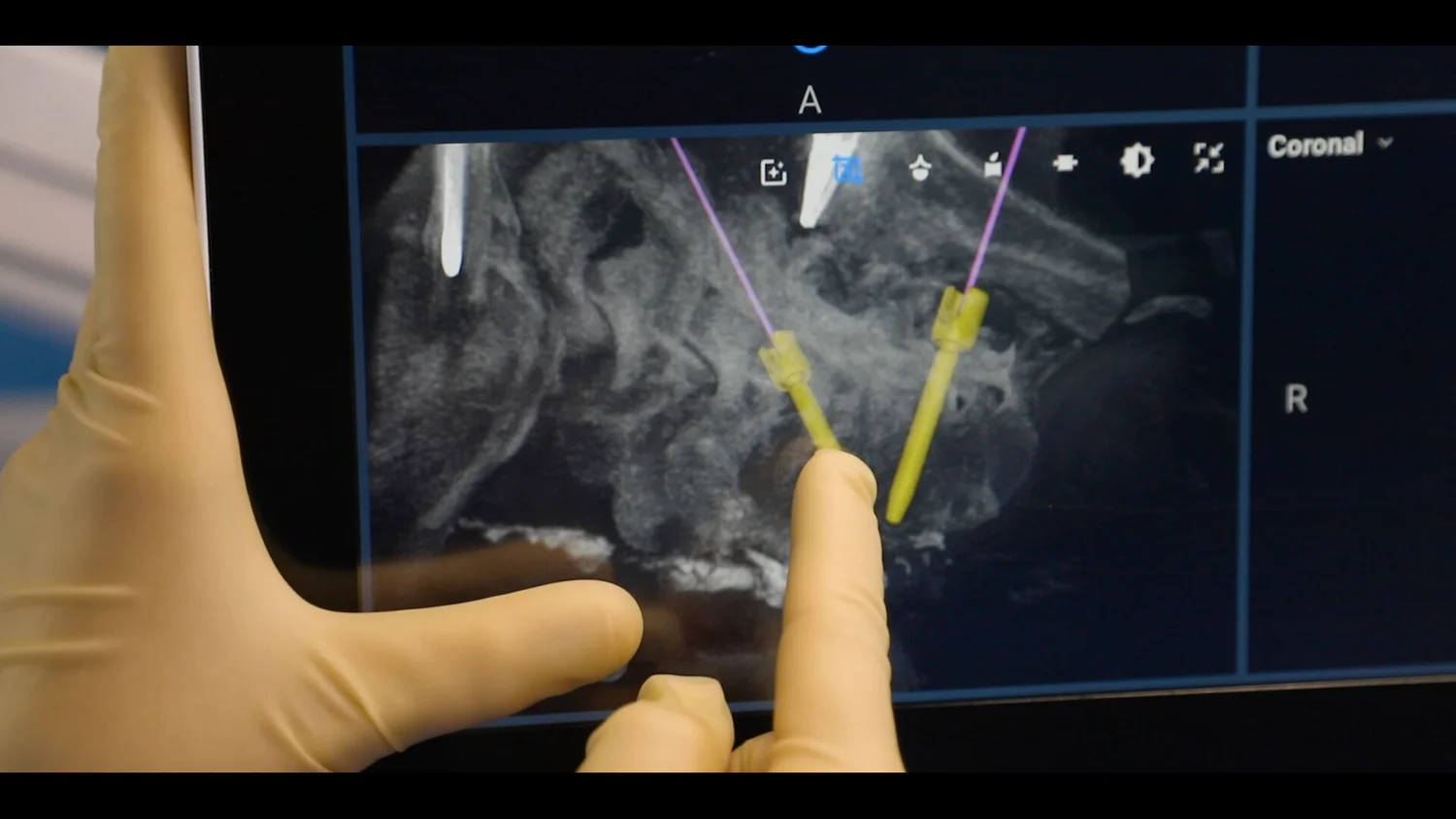
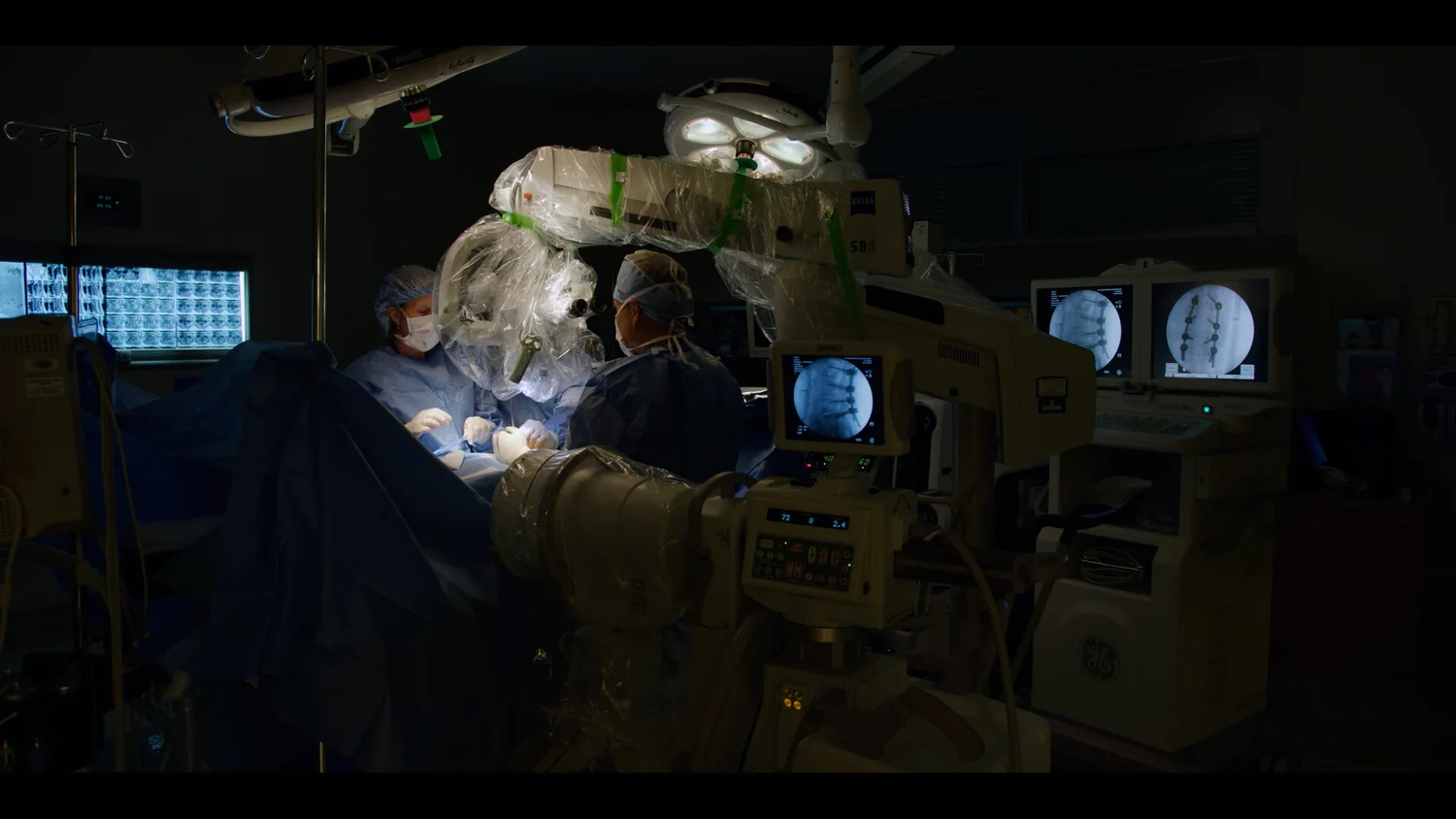
Surgeons use this robotic guidance technology, including the combination of a computer and specialized instruments, to visualize patients’ spines in real time and perform the surgery with precision. This technology provides 3-D images of patients’ anatomy that also assist surgeons in planning the surgery.
New Robotic Systems
There are several other companies that offer robotic guidance systems for spinal surgeries, including Globus Medical and Zimmer Biomet. Many medical device companies have been releasing new robotic guidance systems onto the market.
In terms of training for future robotic surgeons, there are several robotic surgery training programs available to surgeons throughout the country. However, information on the salaries of robotic surgeons and robotic surgery technicians/technologists is not widely available.
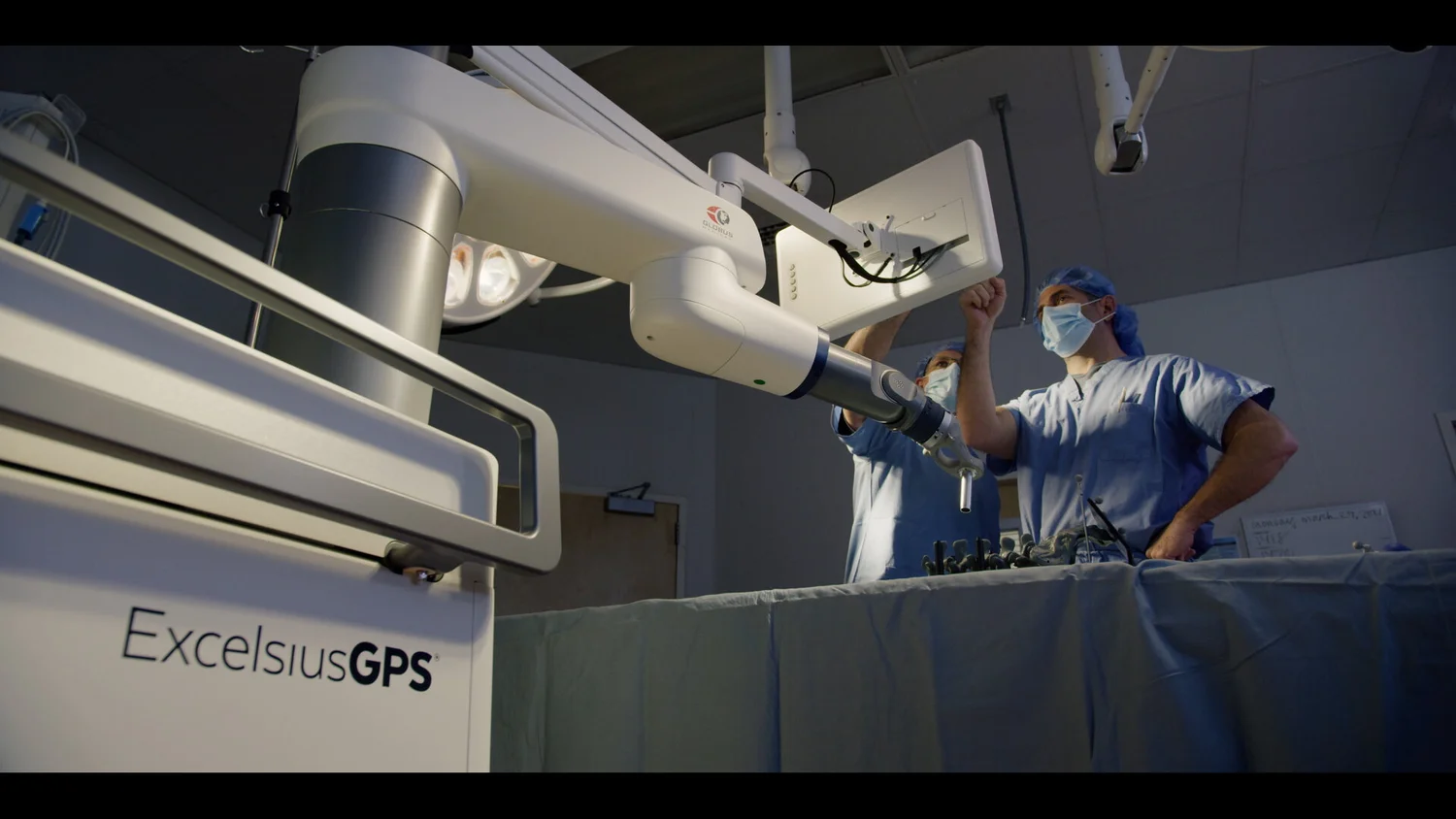
Excelsius GPS at BSNI
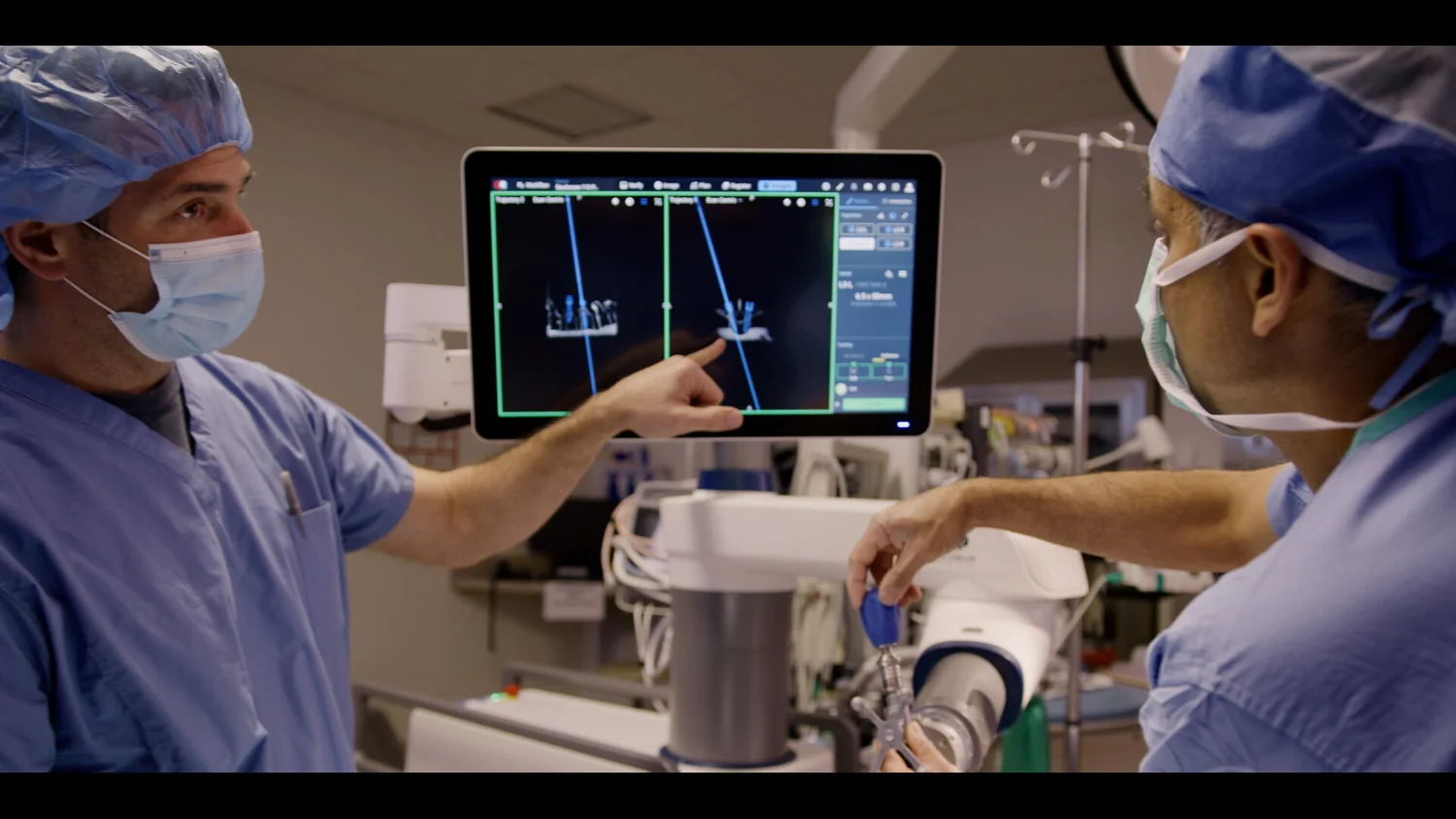
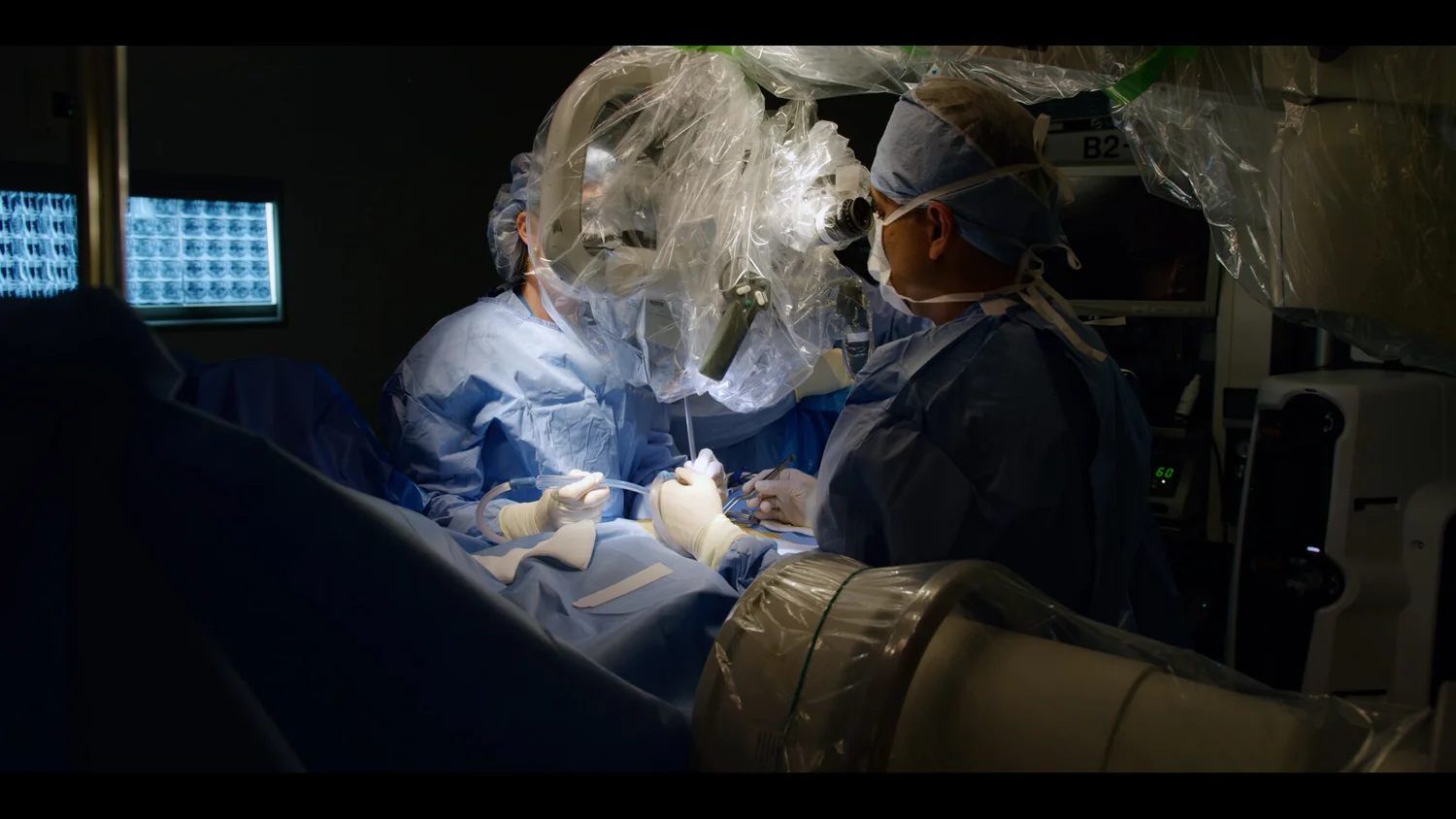
The Excelsius GPS robot assists in minimally invasive spine surgery, giving surgeons both preoperative and live images of the spine and surrounding anatomy. This increased visualization allows for smaller incisions and precise instrument navigation, resulting in improved surgical outcomes and shorter patient recovery times.

The Da Vinci Surgical System
The Da Vinci Surgical System is a robotic-assisted, minimally invasive option for hysterectomies. This surgical system is increasingly used by surgeons performing hysterectomies, as it provides a 3-D view of the surgical area.
A robotic hysterectomy usually takes 1-4 hours to complete, depending on the complexity of the case. During the surgery, patients lie on their backs in a position similar to the position they would lie in for a Pap smear.
Recovery after a robotic hysterectomy lasts only 3-4 weeks and is less painful, in comparison to the recovery after an abdominal hysterectomy.