Introduction to Nutritional Strategies for Spinal Health
Nutrition plays a crucial role in maintaining spinal health and preventing degenerative conditions that affect the spine. In this article, we explore the significance of key nutrients in supporting spinal health, dietary habits that promote musculoskeletal integrity, and practical strategies for incorporating optimal nutrition into daily routines to reduce the risk of spine-related conditions.
Key Nutrients for Spine Health
Several key nutrients are essential for supporting spinal health and preventing degenerative conditions such as osteoporosis, osteoarthritis, and disc degeneration. These include calcium, vitamin D, omega-3 fatty acids, antioxidants, and essential minerals like magnesium and phosphorus. Incorporating a balanced diet rich in these nutrients supports bone density, cartilage health, and overall musculoskeletal function, reducing the risk of spinal issues and promoting optimal spine health.
Dietary Habits That Can Contribute to Spinal Problems
Certain dietary habits and nutritional deficiencies can contribute to spinal problems and increase the risk of degenerative conditions. Inadequate calcium and vitamin D intake can weaken bones and increase the risk of osteoporosis-related fractures, while excessive consumption of inflammatory foods like processed meats and sugary snacks may exacerbate inflammation and contribute to disc degeneration. By adopting a balanced and nutrient-rich diet, individuals can provide essential support for spinal health and reduce the likelihood of developing spine-related issues over time.
Practical Dietary Tips for Spinal Health
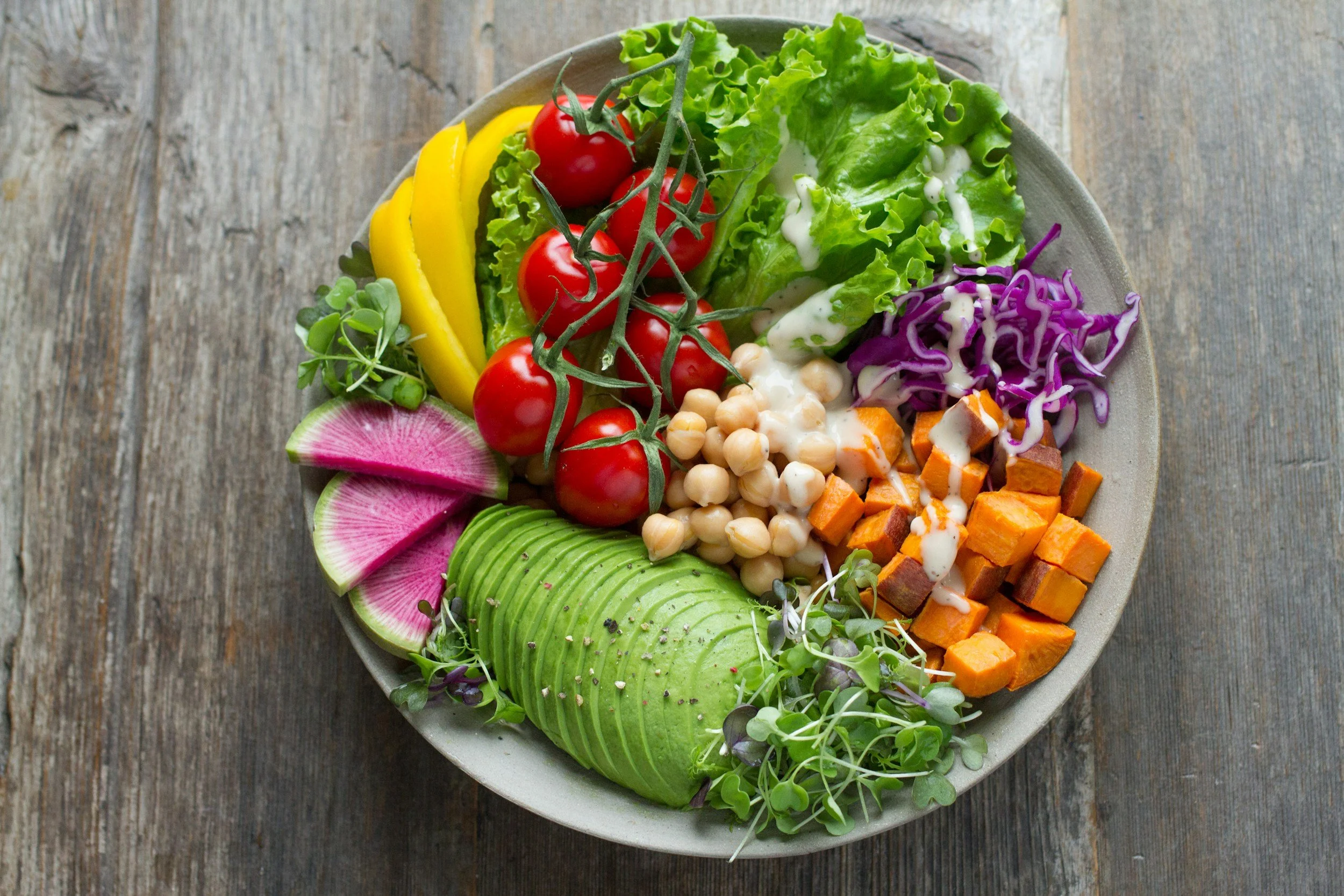
Incorporating optimal nutrition into daily life involves making informed food choices and prioritizing nutrient-dense foods that support musculoskeletal health. This may include incorporating sources of calcium and vitamin D such as dairy products, leafy greens, fatty fish, and fortified foods into meals and snacks. Additionally, consuming omega-3 fatty acids from sources like salmon, walnuts, and flaxseeds, and antioxidants from colorful fruits and vegetables, helps reduce inflammation and support spinal function. By following a balanced and varied diet tailored to individual nutritional needs, individuals can optimize spinal health and reduce the risk of developing spine-related conditions.
Sources
https://labs.icahn.mssm.edu/brycelab/nutrition/